


 Our specialists are online... Call now...

































Key Takeaways
- What it is: Fibromyalgia is a chronic pain syndrome in which the nervous system amplifies pain signals, causing widespread muscle and soft-tissue pain without visible joint damage.
- Who it affects: It is diagnosed far more often in women, typically between the ages of 30 and 60, though men and (rarely) children can also develop it.
- Main cause: Central sensitisation - abnormal processing of pain signals by the brain and spinal cord - is considered the core mechanism, often triggered by genetics, trauma, infection or prolonged stress.
- No definitive lab test: Fibromyalgia is diagnosed clinically using a widespread pain index and symptom severity scale, after ruling out other conditions with blood tests.
- Homeopathy's role: Individualised, constitutional homeopathic treatment at WeClinic™ Homeopathy aims to ease pain, fatigue and sleep disturbance, but is not presented as a guaranteed cure for this complex condition.
- Typical timeframe: Some patients notice gradual change within a few weeks, though longstanding cases often need several months of consistent, monitored treatment.
- Safety note: Persistent widespread pain should always be evaluated by a doctor first, since several other conditions can mimic fibromyalgia's symptoms.
What Is Fibromyalgia?
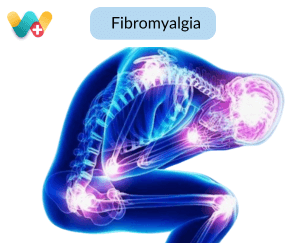
Fibromyalgia is a chronic pain syndrome that causes widespread pain across the muscles, tendons and soft tissue of the body, along with fatigue, sleep problems, memory difficulties and mood changes. It typically affects both sides of the body and areas above and below the waist, and symptoms usually persist for three months or longer.
Unlike arthritis, fibromyalgia does not cause visible damage or inflammation in the joints. Researchers believe it is linked to the way the brain and spinal cord process pain signals, making the nervous system more sensitive to both painful and non-painful stimulation. Some key features of the condition include -
- Chronic, widespread pain - lasting three months or more, without joint damage.
- Central sensitisation - the nervous system over-reacts to pain signals.
- Common overlapping conditions - IBS, migraines, TMJ disorders & anxiety.
- More common in women - though men & children can also be affected.
- A fluctuating, chronic condition - symptoms can flare and ease over time.
- No damage visible on X-rays or scans - diagnosis relies on symptom patterns.
| Also known as | Fibromyalgia syndrome (FMS); older sources also referenced "fibrositis" |
|---|---|
| Commonly affects | Adults aged 30-60, women far more often than men; can occur at other ages too |
| Main symptoms | Widespread pain, chronic fatigue, unrefreshing sleep, "fibro fog," heightened sensitivity to touch |
| Common causes | Central sensitisation (abnormal pain processing), genetics, physical/emotional trauma, infections, hormonal or sleep disturbances |
| Diagnosis | Clinical - widespread pain index & symptom severity scale, plus blood tests to rule out other conditions |
| Homeopathic approach | Individualised, constitutional treatment aimed at reducing pain, fatigue and sleep disturbance (hedged - not a guaranteed cure) |
| Typical treatment duration | Weeks for initial change; often several months of consistent treatment for longstanding cases |
Common Symptoms We Treat
Fibromyalgia symptoms vary from person to person and can change in intensity over time. Our doctors regularly treat patients with the following presentations -
- Widespread body pain - dull, aching pain on both sides of the body.
- Chronic fatigue - persistent tiredness that isn't relieved by rest.
- Unrefreshing sleep - waking up tired even after a full night's sleep.
- Fibro fog - difficulty concentrating, focusing & remembering.
- Headaches & migraines - frequent tension-type or migraine headaches.
- Digestive issues - bloating, cramping & irritable bowel-type symptoms.
- Heightened sensitivity - increased sensitivity to touch, temperature, light or noise.
- Morning stiffness - stiffness in muscles that tends to be worse on waking.
What Causes Fibromyalgia?
Fibromyalgia is most commonly linked to central sensitisation - a state in which the brain and spinal cord over-process and amplify pain signals - rather than to any single, identifiable cause. It likely develops from a combination of factors. Commonly discussed contributing factors include -
- Abnormal processing of pain signals by the brain & spinal cord.
- Genetics & family history of fibromyalgia or chronic pain.
- Physical trauma, such as an injury or accident.
- Emotional stress or a history of psychological trauma.
- Certain infections that may trigger symptom onset.
- Hormonal imbalances.
- Longstanding sleep disturbances.
- Co-existing conditions such as rheumatoid arthritis or lupus.
Who Is Most at Risk?
While fibromyalgia can affect anyone, certain factors make some people more susceptible than others -
- Gender: fibromyalgia is diagnosed far more often in women than in men.
- Age: it most commonly develops between the ages of 30 and 60, though it can occur at any age.
- Family history: having a close relative with fibromyalgia increases your risk.
- Co-existing conditions: rheumatoid arthritis, lupus and osteoarthritis are linked with a higher risk.
- History of trauma: physical injuries or significant emotional stress can act as triggers.
Common Diagnostic Approach
Fibromyalgia is diagnosed clinically, since there is no single blood test, X-ray or scan that can confirm it on its own - diagnosis relies heavily on a doctor's assessment of your symptom pattern. This typically involves -
- Widespread Pain Index & Symptom Severity Scale - assessing the number of painful body areas along with fatigue, sleep and cognitive symptoms.
- Symptom duration check - confirming that symptoms have persisted at a similar level for at least three months.
- Physical examination - checking for tenderness at commonly affected points on the body.
- Blood tests (CBC, ESR, CRP, thyroid function) - to rule out other conditions with similar symptoms.
Note: These tests mainly help rule out other conditions - there is no lab test that positively confirms fibromyalgia.
Tender Points vs Today's Diagnostic Criteria
Fibromyalgia used to be diagnosed by checking for tenderness at 18 specific "tender points" on the body, with 11 or more painful points supporting a diagnosis. Current medical guidelines have largely moved away from this tender-point examination in favour of the Widespread Pain Index and Symptom Severity Scale, which look at how many body regions are affected and how severe fatigue, sleep and cognitive symptoms are, rather than counting pressure points alone. You may still hear both terms used, especially in older literature or by patients describing their diagnosis journey.
Possible Complications of Untreated Fibromyalgia
Leaving fibromyalgia unmanaged can gradually affect daily functioning and overall wellbeing, even though it is not considered a life-threatening or joint-damaging condition. Commonly reported complications include -
- Reduced ability to carry out daily activities - persistent pain and fatigue can make work, chores and routine tasks harder to manage.
- Worsening sleep quality - a cycle where pain disrupts sleep, and poor sleep in turn increases pain sensitivity.
- Higher risk of depression and anxiety - living with chronic, often invisible pain takes a real toll on mental health.
- Social withdrawal - some patients gradually reduce social or physical activity due to unpredictable flares.
- Compounding fibro fog - poor sleep and chronic stress can worsen concentration and memory difficulties over time.
These are potential effects of leaving symptoms unaddressed long-term, not a guaranteed outcome for every patient - many people manage fibromyalgia well with a consistent treatment and self-care plan.
Fibromyalgia vs Chronic Fatigue Syndrome vs Arthritis
Fibromyalgia is distinguished from chronic fatigue syndrome and arthritis mainly by its pattern of symptoms and what shows up (or doesn't) on tests, though the three conditions can overlap and sometimes coexist in the same patient.
- Fibromyalgia: widespread pain is the leading symptom, alongside fatigue; no joint inflammation or damage on scans.
- Chronic fatigue syndrome: overwhelming fatigue is the leading symptom, often worsened by minimal exertion (post-exertional malaise); pain is usually secondary.
- Arthritis: pain is localised to specific joints, with visible inflammation, swelling or joint damage detectable on examination or imaging.
- Overlap: fatigue, unrefreshing sleep and cognitive fog can appear in all three, which is why a doctor's evaluation matters for an accurate diagnosis.
Does Exercise Help Fibromyalgia?
Yes - gentle, gradually-paced exercise is one of the few interventions with consistent evidence behind it for fibromyalgia, even though movement can feel counterintuitive when everything already hurts. Low-impact activities such as walking, swimming, water aerobics, gentle stretching or yoga are generally better tolerated than high-intensity workouts, and are best started at a very low level before slowly increasing duration and intensity. Overexertion, on the other hand, is a well-known flare trigger, so pacing activity - rather than avoiding it altogether - tends to work best. Our doctors typically discuss a realistic activity plan alongside your homeopathic treatment.
Lifestyle, Sleep & Flare-Trigger Management
Because sleep quality strongly influences how severe fibromyalgia symptoms feel day to day, managing sleep and known flare triggers is central to living well with the condition. Helpful habits include -
- Stay gently active with low-impact exercise like walking, swimming or yoga.
- Prioritise consistent, good-quality sleep habits.
- Practice stress-management techniques such as meditation or deep breathing.
- Pace your activities to avoid overexertion & flare-ups.
- Eat a balanced, anti-inflammatory diet.
- Keep affected muscles warm, especially in cold weather.
- Track common flare triggers - weather changes, poor sleep, stress & overexertion.
- Maintain a consistent daily routine wherever possible.
How Homeopathy Treats Fibromyalgia
Fibromyalgia is a complex, chronic condition, and no single system of medicine can promise a guaranteed cure for every patient. Allopathy typically manages it with painkillers, antidepressants or anti-seizure medication that can help control symptoms but often come with side effects and may not suit everyone. Homeopathy offers a different, constitutional approach that is commonly used alongside lifestyle changes to support long-term symptom management.
The Homeopathic Approach - Looking at the Whole Person
Homeopathy doesn't view fibromyalgia as an isolated pain problem - it looks at your overall physical and mental constitution. At WeClinic™ Homeopathy in Kanpur, Dr. Laxmi and our team take a detailed case history covering where the pain is felt, what makes it better or worse, your sleep and energy patterns, stress levels and your general temperament. Based on this complete picture, an individualised remedy and potency is selected for your specific case.
Commonly Referenced Homeopathic Remedies for Fibromyalgia
Classical homeopathic literature references several remedies for widespread pain and fatigue, each suited to a different symptom pattern, such as -
For stiffness and pain that is worse at rest and on first movement, but eases with continued gentle motion.
For a bruised, sore, "beaten-up" quality of muscle pain, even after minimal exertion.
Considered for pain accompanied by numbness or a cold sensation in the affected muscles.
Referenced for tearing, drawing muscular pains with progressive stiffness and weakness.
For pain that worsens with any movement and feels better with complete rest.
Associated with aching, restless limbs and a persistent sense of heaviness or unease.
Often considered where fatigue, nervous exhaustion and low mood accompany the physical pain.
Referenced for cramping, shooting pains that are eased by warmth and gentle pressure.
Commonly referenced where emotional stress, grief or mood swings appear to worsen physical symptoms.
Important: This information is for educational purposes only. Please do not self-medicate. Fibromyalgia is a complex condition, and WeClinic™ doctors prescribe the right remedy and dosage only after a detailed personal case-history consultation, so book your free consultation before starting any treatment.
Benefits of Homeopathic Fibromyalgia Treatment
- Natural treatment with no known side effects
- No risk of dependency - completely non-addictive
- Individualised to your specific symptom pattern
- Safe for long-term, chronic use
- Can be used alongside lifestyle changes & self-care
Homeopathy vs Allopathy for Fibromyalgia
Both approaches aim to help manage fibromyalgia, but they work very differently -
Allopathy
- Focuses on symptom control with painkillers, antidepressants or anti-seizure drugs
- Symptoms can return once medicine is stopped
- Long-term use may cause side effects
- Often treats pain, sleep & mood as separate issues
Homeopathy
- Focuses on the patient's overall constitution
- Aims for sustained symptom management with a complete course
- Natural remedies, generally safe for long-term use
- Addresses pain, sleep, fatigue & mood together
Frequently Asked Questions About Fibromyalgia Homeopathy
Can homeopathy cure fibromyalgia completely?
Fibromyalgia is a complex, chronic condition, and no system of medicine - including homeopathy - claims a guaranteed, permanent cure for every patient. What homeopathy offers is an individualised, constitutional approach that aims to reduce the intensity of pain, improve sleep and energy levels, and support long-term quality of life. Many patients see meaningful improvement in their day-to-day symptoms over a course of consistent treatment.
What triggers fibromyalgia flare-ups?
Common triggers include physical or emotional stress, poor or disrupted sleep, overexertion, changes in weather, infections, and hormonal changes. Flare-ups vary from person to person, which is why our doctors also help patients identify and manage their individual triggers alongside medicine.
Is fibromyalgia the same as arthritis?
No. Arthritis involves inflammation or damage within the joints themselves, whereas fibromyalgia is understood to involve how the brain and spinal cord process pain signals, causing widespread pain in muscles and soft tissue without visible joint damage or inflammation on scans. The two conditions can sometimes occur together, which is why a proper evaluation is important.
Which homeopathic medicine is best for fibromyalgia?
There is no single "best" medicine - homeopathy is individualised, and remedies such as Rhus Toxicodendron, Arnica Montana, Kalmia Latifolia, Causticum, Bryonia Alba and Cimicifuga are commonly referenced in classical literature for different fibromyalgia presentations. The right remedy and potency depend entirely on your specific symptom pattern, so it should only be prescribed after a detailed case-history consultation with a qualified homeopathic doctor.
Is fibromyalgia diagnosed with a blood test?
No single blood test or scan can confirm fibromyalgia on its own. Diagnosis is largely clinical, based on a widespread pain index and symptom severity assessment, along with your symptom history. Blood tests are usually done to rule out other conditions with similar symptoms, such as thyroid disorders, rheumatoid arthritis or lupus.
How long does homeopathic treatment take to show results in fibromyalgia?
Because fibromyalgia is a complex, long-standing condition, results vary from person to person. Some patients notice gradual improvement in pain, sleep and energy within a few weeks, while others - especially with longstanding or severe symptoms - may need several months of consistent treatment. Our doctors track your progress through regular follow-up calls and adjust the treatment plan as needed.
Is fibromyalgia more common in women?
Yes. Fibromyalgia is diagnosed far more often in women than in men, though the exact reasons for this difference are still being studied. It most commonly develops between the ages of 30 and 60, but it can occur at other ages too, including in men and, less commonly, children.
Does stress worsen fibromyalgia?
Yes, emotional and physical stress is one of the most commonly reported triggers for fibromyalgia flare-ups. Managing stress through relaxation techniques, adequate rest and a supportive daily routine, alongside homeopathic treatment, often helps patients cope better with symptoms.
Is homeopathic treatment safe for long-term use in fibromyalgia?
Yes, homeopathic medicines are prepared from natural sources and, when taken in the doctor-prescribed dose, are safe for long-term use with no known dependency or side effects. This makes homeopathy a suitable option for a chronic condition like fibromyalgia that often requires sustained management.
What causes fibromyalgia?
The exact cause of fibromyalgia isn't fully understood. Researchers believe it involves abnormal processing of pain signals by the brain and spinal cord (central sensitisation), and it is often linked to genetics, physical or emotional trauma, infections, and hormonal or sleep disturbances. Identifying possible contributing factors is an important part of planning individualised homeopathic treatment.
Is fibromyalgia the same as chronic fatigue syndrome?
No, fibromyalgia and chronic fatigue syndrome are related but distinct conditions. Fibromyalgia is led by widespread pain with fatigue as a secondary symptom, while chronic fatigue syndrome is led by overwhelming fatigue that often worsens after minimal exertion, with pain being secondary. The two conditions share considerable overlap and can occur together, so a doctor's evaluation is needed to tell them apart.
Is fibromyalgia a psychological condition?
No, fibromyalgia is not considered a purely psychological condition - it is a recognised chronic pain condition linked to central sensitisation, where the brain and spinal cord over-process pain signals. That said, fibromyalgia is commonly accompanied by depression and anxiety, since living with chronic, often invisible pain understandably affects mental health, which is why a whole-person approach to treatment matters.
What is fibro fog, and can homeopathy help with it?
"Fibro fog" refers to the cognitive symptoms of fibromyalgia, including trouble concentrating, forgetfulness and slowed thinking, and it is reported by a large proportion of fibromyalgia patients. It is often worsened by poor sleep and chronic stress. Individualised homeopathic treatment aims to support overall symptom management, including sleep and fatigue, which may help ease fibro fog indirectly, though results vary by patient and are not guaranteed.
What are tender points, and are they still used to diagnose fibromyalgia?
Tender points refer to an older diagnostic model that checked 18 specific spots on the body for tenderness, with 11 or more painful points supporting a fibromyalgia diagnosis. Current clinical guidelines have largely moved away from this tender-point examination in favour of a widespread pain index and symptom severity scale, though the tender-point concept is still widely referenced in patient literature.
Does fibromyalgia increase the risk of depression and anxiety?
Yes, fibromyalgia is commonly associated with a higher risk of depression and anxiety, largely because living with chronic, unpredictable pain and poor sleep places a significant strain on mental health. Addressing sleep, pain and emotional wellbeing together, rather than in isolation, is an important part of managing fibromyalgia long-term.
Start Your Journey Towards Lasting Relief Today
Book a free consultation with WeClinic™'s experienced homeopathic doctors and get a treatment plan made for your specific case.
Call Now - Book Free Consultation Prefer to visit in person? Book a Clinic Appointment