


 Our specialists are online... Call now...

































Key Takeaways
- What it is: Kidney stones (renal calculi) are hard mineral-and-salt deposits that form inside the kidneys when urine becomes overly concentrated with crystal-forming substances.
- Who it affects: Kidney stones are common across all age groups in India, with higher recurrence in people who live in hot climates, work outdoors, or drink too little water through the day.
- Main causes: Chronic dehydration, a diet high in sodium, animal protein or oxalate-rich foods, family history, and metabolic conditions like gout are the leading contributors.
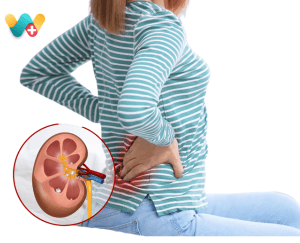
- Pain pattern: The classic "loin to groin" pain travels from the back/flank down toward the lower abdomen and groin as the stone moves through the ureter, following the path of the nerves that supply that area.
- Homeopathy's role: Individualised homeopathic treatment at WeClinic™ aims to support the natural passage of small stones, ease pain and burning, and reduce the constitutional tendency to form stones again - it does not replace procedural treatment for large or obstructing stones.
- Typical timeframe: Symptom relief is often noticed within a few weeks, while a full course addressing recurrence tendency generally runs longer and is tracked with periodic imaging.
- Safety point: Severe unrelenting pain, fever with chills, or inability to urinate is a medical emergency and needs immediate evaluation, not homeopathy alone.
What Are Kidney Stones?
Kidney stones, medically known as renal calculi, are hard deposits made of minerals and salts that form inside the kidneys. They develop when your urine contains more crystal-forming substances - such as calcium, oxalate and uric acid - than the available fluid can dilute. Stones can range from as small as a grain of sand to, in rare cases, larger than a golf ball, and their size largely determines how they are managed.
Understanding which type of stone you are dealing with is an important part of choosing the right treatment approach. The most common types are:
- Calcium Oxalate Stones - the most common type, formed when calcium binds with oxalate.
- Uric Acid Stones - linked to dehydration and a high-protein diet.
- Struvite Stones - form after urinary tract infections and can grow quickly.
- Cystine Stones - rare, linked to a hereditary condition called cystinuria.
| Also known as | Renal calculi, nephrolithiasis, urolithiasis |
|---|---|
| Commonly affects | Adults of all ages, more often men, and people in hot climates or with low daily fluid intake |
| Main symptoms | Severe flank/back pain radiating to the groin, blood in urine, burning urination, nausea |
| Common causes | Dehydration, high-sodium/high-protein/high-oxalate diet, family history, UTIs, metabolic conditions |
| Diagnosis | Ultrasound, CT scan, urine and blood tests, stone analysis, 24-hour urine collection for recurrent formers |
| Homeopathic approach | Individualised remedies aimed at supporting passage of small stones, easing pain, and reducing recurrence tendency |
| Typical treatment duration | Symptom relief in a few weeks; a fuller course for recurrence prevention generally runs longer |
| When to seek urgent care | Severe unrelenting pain, fever with chills, or inability to urinate |
Common Symptoms We Treat
Many small stones cause no symptoms at all and pass unnoticed. Once a stone moves into the ureter, however, it can cause -
- Severe flank or back pain - the classic "loin to groin" pain that starts below the ribs and travels down toward the lower abdomen and groin as the stone moves through the ureter.
- Blood in urine - pink, red or brown-tinged urine.
- Burning or painful urination - discomfort while passing urine.
- Nausea and vomiting - often accompanying severe pain.
- Urinary urgency - frequent, urgent need to urinate, often in small amounts.
- Cloudy or foul-smelling urine - can indicate an associated infection.
What Causes Kidney Stones?
Kidney stones form due to a mix of hydration, diet and individual health factors. Common causes include -
- Chronic dehydration or low fluid intake.
- A diet high in sodium and animal protein.
- Diet high in oxalate-rich foods (spinach, nuts, etc.).
- Family history of kidney stones.
- Obesity and metabolic conditions.
- Certain medical conditions, such as gout or hyperparathyroidism.
- Recurrent urinary tract infections.
- Hereditary disorders such as cystinuria.
When Is It a Medical Emergency?
Most small kidney stones can be managed conservatively, but certain warning signs mean you should seek urgent medical care immediately rather than waiting for homeopathic or home treatment to work -
- Severe, unrelenting pain that does not ease with position change or over-the-counter relief.
- Fever and chills along with pain, which can indicate a serious kidney infection.
- Inability to urinate, suggesting a possible blockage.
- Persistent vomiting that prevents you from keeping fluids down.
Important: If you notice any of these signs, please visit an emergency room or a urologist immediately. A blocked or infected kidney is a medical emergency and needs prompt evaluation - it should never be managed with self-treatment alone.
Hydronephrosis: A Serious Complication of Blocked Stones
Hydronephrosis is the swelling of one or both kidneys that happens when a stone blocks the normal outflow of urine, causing it to back up and put pressure on the kidney tissue. A stone lodged in the ureter is the most common cause of one-sided hydronephrosis, and if the blockage is not relieved, the trapped urine can progressively damage kidney function and increase the risk of infection.
Hydronephrosis is usually picked up on an ultrasound or CT scan done to investigate flank pain, and its presence generally points toward the need for prompt procedural drainage or stone removal rather than watchful waiting. This is why our doctors at WeClinic™ Homeopathy in Kanpur always ask patients with ongoing pain to get appropriate imaging done before starting any supportive homeopathic treatment, so that a blocked, swelling kidney is never missed or delayed in getting the urgent medical attention it needs.
Common Diagnostic Tests
Doctors confirm the presence, size, location and likely cause of a stone using a combination of imaging, urine and blood-based tests -
- Ultrasound - a quick, radiation-free way to detect stones in the kidney and upper ureter, and to spot hydronephrosis.
- CT scan - the most detailed imaging test to pinpoint stone size, location and number.
- Urine tests - to check for blood, infection and crystal-forming substances.
- Blood tests - to assess kidney function and levels of calcium or uric acid.
- Stone analysis - if a stone is passed or removed, testing it helps identify its exact type.
- 24-hour urine collection - recommended for people who form stones repeatedly, to measure daily volume, calcium, oxalate, uric acid, citrate and sodium levels so that prevention advice can be tailored to the actual cause.
Note: Imaging is important to rule out a blockage or large stone before deciding on any course of treatment, including homeopathy.
Prevention, Diet & Hydration Tips
Preventing kidney stones from recurring generally means drinking enough fluid to keep urine dilute and adjusting your diet to the type of stone you tend to form. As a general clinical guideline, most adults are advised to drink enough water to produce roughly 2 to 2.5 litres of pale urine a day - which for many people in India's hot, humid climate means 3 to 4 litres of total fluid intake, especially for those who work outdoors or sweat heavily.
- Drink enough water through the day to pass pale, light-coloured urine.
- Increase fluid intake further in hot weather, after exercise, or in physically demanding outdoor occupations.
- Reduce salt and limit excess animal protein in your diet.
- Moderate high-oxalate foods if you form calcium oxalate stones and have been advised to.
- Continue eating calcium-rich foods, but avoid unsupervised calcium supplements.
- Get any recurring urinary tract infection treated promptly.
High-Oxalate Foods Calcium Oxalate Stone Formers Often Need to Moderate
For people who form calcium oxalate stones, the foods with the highest oxalate content include spinach, beet greens and rhubarb, nuts (especially almonds and cashews), wheat bran, chocolate and cocoa, and strong black tea. Not everyone with calcium oxalate stones needs to restrict every one of these foods strictly - a 24-hour urine test helps show whether your own urinary oxalate is actually high before making major dietary changes.
How Homeopathy Treats Kidney Stones
Homeopathy is traditionally used to support the natural passage of small kidney stones, ease the pain and burning that comes with them, and work on the underlying constitutional tendency to keep forming stones. It is important to be realistic about what homeopathy can and cannot do - small stones, generally under about 5-6mm, often have a reasonable chance of passing naturally with adequate hydration and supportive care, while larger or obstructing stones typically need procedural treatment such as lithotripsy, ureteroscopy or surgery, decided by a urologist based on imaging.
The Homeopathic Approach - Supporting the Body, Not Replacing Emergency Care
Homeopathy doesn't treat a kidney stone as an isolated "blockage problem" - it looks at your overall constitution. Our doctors at WeClinic™ take a detailed case history: which side the pain is on, what makes it better or worse, the nature of your urinary symptoms, your stone-forming tendency, and your general physical and mental makeup. Based on this, an individualised remedy and potency is prescribed for your specific case, alongside guidance on hydration and diet.
Commonly Referenced Homeopathic Remedies for Kidney Stones
Classical homeopathic literature references several medicines for kidney stone symptoms, each suited to a different presentation, such as -
Often considered a first-line remedy for left-sided kidney pain that radiates down the ureter into the bladder.
Referenced for intense urinary urgency with burning pain and only small amounts of urine passed.
Commonly referenced for right-sided kidney pain that eases once urination is complete.
Considered for burning pain at the end of urination, with scanty or sandy sediment in the urine.
Traditionally referenced for gravel-forming tendencies and sediment in the urine.
Referenced for renal colic accompanied by nausea, vomiting and uric acid-related complaints.
Commonly referenced for severe pain radiating from the kidney down to the groin along the course of the ureter, with straining to urinate.
Important: This information is for educational purposes only. Please do not self-medicate. Homeopathy should never delay emergency evaluation of severe pain, fever, or a stone causing blockage. WeClinic™ doctors prescribe the right remedy and dosage only after a detailed personal case-history consultation and appropriate imaging, so book your free consultation before starting any treatment.
Benefits of Homeopathic Kidney Stone Treatment
- Natural treatment with no side effects
- No risk of dependency - completely non-addictive
- Works on the constitutional tendency to form stones
- Complements dietary & hydration guidance
- Suitable for all age groups
Homeopathy vs Allopathy for Kidney Stones
Both approaches play a role in kidney stone care, and the right choice often depends on stone size and severity -
Allopathy
- Uses painkillers, alpha-blockers or procedures like lithotripsy & surgery
- Necessary and effective for large or obstructing stones
- Procedures can be invasive with recovery time
- Does not always address recurrence tendency
Homeopathy
- Supports natural passage of small stones and eases symptoms
- Aims to work on the constitutional tendency behind recurrence
- Natural remedies, safe for long-term use
- Not a substitute for emergency or procedural care when needed
Frequently Asked Questions About Kidney Stone Homeopathy
Can homeopathy dissolve kidney stones?
Homeopathy is traditionally used to support the natural passage of small kidney stones and to manage associated pain, burning urination and recurrence tendency. There is no reliable scientific evidence that homeopathy can dissolve large or hard stones, and it should never delay evaluation of a stone that is causing severe pain, blocking urine flow, or growing in size - such cases need proper medical or surgical management.
What size kidney stone needs surgery?
As a general guide, stones under 5mm often pass on their own with adequate hydration, stones between roughly 5mm and 15mm may need lithotripsy or ureteroscopy, and stones larger than 20mm or that are blocking urine flow typically require more advanced procedures such as percutaneous nephrolithotomy (PNL). The exact decision depends on the stone's size, location, composition and your symptoms, so it should always be made with a urologist based on imaging.
Which is the best homeopathic medicine for kidney stones?
There is no single best medicine - homeopathy is individualised, and remedies like Berberis Vulgaris, Cantharis, Lycopodium Clavatum, Sarsaparilla, Hydrangea Arborescens and Ocimum Canum are commonly referenced in classical literature for different kidney stone presentations. The right remedy and potency depend entirely on your specific symptoms, side of pain and urine pattern, so it should only be prescribed after a proper case-history consultation with a qualified homeopathic doctor.
When is kidney stone pain a medical emergency?
Severe, unrelenting flank or back pain that doesn't ease with position change, pain accompanied by fever and chills, complete inability to urinate, or persistent vomiting are red-flag signs that can indicate a blocked or infected kidney and need urgent medical attention right away, not homeopathic treatment alone. Please visit an emergency room or a urologist immediately if you notice any of these signs.
Is drinking more water enough to prevent kidney stones?
Staying well hydrated - enough to pass light-coloured urine through the day - is one of the most important steps in preventing kidney stones, but it usually isn't the only one. Diet changes such as reducing salt and animal protein, moderating oxalate-rich foods, and maintaining healthy calcium intake are equally important, and the right combination depends on the type of stone you tend to form.
How long does homeopathic treatment take to show results for kidney stones?
For small stones with mild symptoms, some patients notice easing of pain, burning and urinary discomfort within a few weeks of starting treatment, while a full course to reduce recurrence tendency is usually longer. The timeline varies with stone size, number, location and your overall constitution, and progress is generally tracked through follow-up and periodic imaging.
Do kidney stones come back after treatment?
Yes, kidney stones have a notable tendency to recur, especially without lasting changes to hydration and diet. Homeopathy aims to work on the underlying constitutional tendency to form stones alongside personalised dietary guidance, which is why our doctors also focus on sustainable prevention, not just relief from the current stone.
What are the different types of kidney stones?
The four main types are calcium oxalate stones (the most common, formed when calcium combines with oxalate), uric acid stones (linked to dehydration and high-protein diets), struvite stones (linked to urinary tract infections and capable of growing quickly), and cystine stones (rare, linked to a hereditary condition called cystinuria). Identifying the type, usually through stone analysis, helps guide both treatment and prevention.
Does homeopathic kidney stone treatment have any side effects?
No. Homeopathic remedies used at WeClinic™ are natural and prescribed in individualised, minimal doses, so they do not carry the side effects commonly associated with long-term painkiller use or the risks tied to repeated invasive procedures.
What causes kidney stones?
Kidney stones form when urine contains more crystal-forming substances - such as calcium, oxalate and uric acid - than the available fluid can dilute. Common contributing factors include chronic dehydration, a diet high in sodium, animal protein or oxalate-rich foods, family history, certain medical conditions like obesity or gout, and in some cases urinary tract infections or hereditary disorders.
Why does kidney stone pain travel from the back to the groin?
The classic "loin to groin" pain pattern happens because a stone moving down the ureter irritates the same nerve pathways that supply the lower abdomen and groin, so pain that starts in the flank or back is felt radiating forward and downward as the stone travels. This pattern, combined with imaging, helps doctors judge roughly where in the urinary tract the stone is currently located.
What is hydronephrosis and how is it related to kidney stones?
Hydronephrosis is swelling of the kidney caused by a build-up of urine when a stone blocks its normal outflow through the ureter. It is a genuine complication of untreated blocking stones and, depending on severity, usually needs prompt procedural drainage or stone removal rather than homeopathy or home management, since prolonged blockage can affect kidney function.
What is a 24-hour urine test and who needs it for kidney stones?
A 24-hour urine collection test measures the volume of urine you produce in a day along with levels of calcium, oxalate, uric acid, citrate and sodium, helping identify the specific metabolic cause behind stone formation. It is generally recommended for people who have formed more than one stone, so that dietary and preventive advice can be tailored to their actual urine chemistry rather than generic guidelines.
How much water should I drink daily to prevent kidney stones?
As a general clinical guideline, most adults are advised to drink enough water to produce around 2 to 2.5 litres of pale, dilute urine every day, which often means 3 to 4 litres of total fluid intake in hot climates like much of India, especially for people who work outdoors or sweat heavily. Your own ideal intake can vary with body size, activity level and stone type, so it is worth discussing with your doctor.
Which foods are highest in oxalate for calcium oxalate stone formers?
Foods particularly high in oxalate include spinach, beet greens and rhubarb, nuts such as almonds and cashews, wheat bran, chocolate and cocoa, and strong black tea. Not every person with calcium oxalate stones needs to avoid all of these strictly - a 24-hour urine oxalate test helps confirm whether dietary oxalate is actually contributing to your stone formation before making major changes.
Are people in hot climates or outdoor occupations more prone to kidney stones?
Yes - people who live in hot, humid regions or work outdoors are at higher risk of kidney stones because heavy sweating without adequate fluid replacement concentrates the urine, making it easier for crystals to form. This is a well-recognised risk pattern in much of India, which is why our doctors always emphasise consistent hydration alongside any homeopathic treatment for stone-prone patients.
Start Your Journey to Lasting Relief Today
Book a free consultation with WeClinic™'s experienced homeopathic doctors and get a treatment plan made for your specific case.
Call Now - Book Free Consultation Prefer to visit in person? Book a Clinic Appointment