

 Our specialists are online... Call now...

































Key Takeaways
- What it is: Fatty liver disease is a build-up of excess fat in the liver cells, graded 1 to 3 by severity on ultrasound.
- Who it affects: It affects people with obesity, type 2 diabetes or high cholesterol, but also a meaningful minority of lean, normal-weight individuals.
- Main causes: Obesity, insulin resistance, high cholesterol, regular alcohol use and a diet high in sugar and refined carbohydrates are the leading causes.
- Reversibility: Simple fatty liver is often reversible in its early grades through sustained weight loss, diet change and regular exercise.
- Role of homeopathy: At WeClinic™ Homeopathy in Kanpur, individualised homeopathic remedies are used as complementary support for digestion, appetite and energy alongside diet and lifestyle correction, not as a replacement for them.
- Typical timeframe: Most patients notice improvement in digestion and energy within 8-12 weeks, while actual liver fat reduction is confirmed on a repeat ultrasound after several months.
- Safety point: Fatty liver progressing to NASH, fibrosis or cirrhosis needs ongoing medical monitoring - homeopathy supports the patient but does not replace liver function testing and medical follow-up.
What Is Fatty Liver Disease?
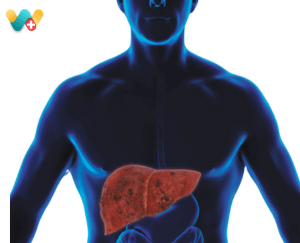
Fatty liver disease is a condition in which excess fat accumulates in the liver cells - a small amount of fat is normal, but when fat makes up more than about 5-10% of the liver's weight, it is classed as fatty liver. It is one of the most common liver conditions worldwide and, in its early stage, usually causes no noticeable symptoms at all.
Understanding which type and stage of fatty liver you have is the first step towards an effective plan. The main categories our doctors see at WeClinic™ are:
- Non-Alcoholic Fatty Liver Disease (NAFLD) - fat build-up unrelated to alcohol, linked to obesity, diabetes & cholesterol.
- Alcohol-Related Fatty Liver - caused by regular or excessive alcohol consumption.
- Simple Fatty Liver (Steatosis) - fat present with little or no inflammation.
- Steatohepatitis (NASH/MASH) - fat build-up with inflammation and liver cell damage.
- Grade 1, 2 & 3 Fatty Liver - ultrasound-based grading of how much fat has accumulated.
- Fatty Liver with Fibrosis - early scarring from prolonged inflammation.
| Also known as | NAFLD, MASLD, hepatic steatosis, fatty liver disease |
|---|---|
| Commonly affects | Adults with obesity, diabetes or high cholesterol; also seen in lean/normal-weight individuals, especially in South Asian populations |
| Main symptoms | Often none in early stages; fatigue, upper-right abdominal discomfort, bloating when present |
| Common causes | Obesity, insulin resistance, high cholesterol/triglycerides, regular alcohol use, poor diet, sedentary lifestyle |
| Diagnosis | Abdominal ultrasound (grading), liver function tests (ALT/AST/GGT), FibroScan, blood sugar & lipid profile |
| Homeopathic approach | Individualised, constitutional remedies used as complementary support alongside diet and lifestyle correction |
| Typical treatment duration | Digestive/energy improvement often noticed in 8-12 weeks; liver fat reduction confirmed over several months |
Common Symptoms We Treat
Fatty liver disease is often called a "silent" condition, but our doctors regularly work with patients experiencing the following -
- Persistent fatigue - feeling unusually tired without a clear reason.
- Abdominal discomfort - dull ache or heaviness in the upper right abdomen.
- Bloating - a feeling of fullness or gas after meals.
- Loss of appetite - reduced interest in food, mild nausea.
- Unexplained weight changes - mild, gradual weight gain or loss.
- Advanced-stage signs - yellowing of skin/eyes or swelling, seen only in severe, long-standing cases.
What Causes Fatty Liver?
Fatty liver is most commonly caused by obesity, insulin resistance and excess alcohol intake, though it can also develop in normal-weight individuals due to genetics, diet and metabolic factors. Common causes include -
- Obesity or being significantly overweight.
- Type 2 diabetes & insulin resistance.
- High cholesterol or triglyceride levels.
- Regular or heavy alcohol consumption.
- Poor diet high in sugar & refined carbohydrates.
- Sedentary lifestyle with little physical activity.
- Rapid weight loss or malnutrition.
- Certain medications and metabolic syndrome.
Who Is Most at Risk?
While fatty liver can affect anyone, certain factors make some people more susceptible than others -
- Weight: obesity, especially fat carried around the abdomen, is one of the strongest risk factors.
- Metabolic health: type 2 diabetes, prediabetes and high cholesterol substantially raise the risk.
- Alcohol use: regular drinking increases risk of the alcohol-related form, even at moderate levels.
- Lifestyle: a sedentary routine and a diet high in processed food or sugar contribute strongly.
Can Thin or Non-Obese People Get Fatty Liver?
Yes - fatty liver disease can and does occur in people who are not overweight, a presentation doctors call "lean NAFLD." Studies suggest roughly 1 in 5 people with fatty liver worldwide are of normal weight, and this pattern is more frequently seen in South Asian populations, including in India.
Lean fatty liver is usually driven by factors other than visible body fat - genetic predisposition, higher-than-normal body fat percentage despite a normal BMI ("skinny fat"), insulin resistance, a diet high in fructose and refined carbohydrates, and reduced muscle mass. Research indicates that lean individuals with fatty liver carry a similar long-term risk of liver and cardiovascular complications as those with obesity-related fatty liver, so a normal weight or BMI should never be used to rule out the condition if liver enzymes or an ultrasound suggest otherwise.
Common Diagnostic Tests
Fatty liver is confirmed mainly through an abdominal ultrasound and liver function blood tests, sometimes supported by a FibroScan. Doctors typically recommend -
- Liver Function Tests (LFTs) - blood tests to check liver enzyme levels for signs of stress or damage.
- Abdominal Ultrasound - grades the degree of fat build-up (Grade 1, 2 or 3) based on liver appearance.
- FibroScan (Elastography) - measures liver stiffness to check for early scarring or fibrosis.
- Blood sugar & lipid profile - checks for diabetes, cholesterol and triglycerides, which are closely linked to fatty liver.
Note: A grade on your ultrasound report shows how much fat is present, but not whether inflammation or scarring has begun - discuss your full report with a doctor rather than the grade alone.
Understanding Your Liver Test Results (ALT, AST, GGT)
ALT, AST and GGT are liver enzymes measured in a routine blood test, and levels above the normal range usually point to liver cell stress rather than a diagnosis on their own. ALT (alanine aminotransferase) is the enzyme most specific to the liver, and a raised ALT is often the first clue to fatty liver. AST (aspartate aminotransferase) is also found in the heart and muscles, so it is interpreted alongside ALT rather than in isolation. GGT (gamma-glutamyl transferase) tends to rise with alcohol use and bile-duct related stress, and is often checked alongside ALT/AST for a fuller picture.
Mildly raised liver enzymes do not automatically mean serious liver damage, and enzyme levels can also be entirely normal in confirmed fatty liver - this is why an ultrasound and, where needed, a FibroScan are used together with blood tests rather than relying on one report alone.
Lifestyle & Dietary Tips
The most effective lifestyle step for fatty liver is a sustained, gradual weight loss of 5-10% of body weight, combined with regular exercise and a low-sugar, whole-food diet.
- Aim for gradual weight loss of 5-10% of body weight if overweight.
- Follow a balanced diet rich in vegetables, fruits, whole grains & lean protein.
- Limit added sugar, refined carbohydrates & fried food.
- Get at least 150 minutes of moderate exercise weekly.
- Limit or avoid alcohol consumption.
- Keep blood sugar & cholesterol under regular check.
Foods That Help vs Foods That Harm the Liver
Foods That Help
- Leafy greens, vegetables & high-fibre foods
- Whole grains such as oats, brown rice & millets
- Fatty fish and nuts for healthy unsaturated fats
- Coffee (unsweetened, in moderation) & green tea
- Adequate water intake through the day
Foods That Harm
- Sugary drinks & foods high in fructose
- Deep-fried & heavily processed food
- Refined carbohydrates such as white bread & maida
- Red & processed meat in excess
- Alcohol, especially on a regular basis
How Homeopathy Treats Fatty Liver
Homeopathy treats fatty liver as complementary, constitutional support used alongside diet, exercise and weight loss - not as a stand-alone cure. The strongest, evidence-based way to manage and often improve fatty liver disease remains sustained weight loss, a balanced diet and regular exercise, and no medicine, homeopathic or otherwise, replaces that foundation. What homeopathy offers is a natural, complementary layer of support - addressing digestion, appetite, energy levels and your overall constitution - alongside the lifestyle changes your doctor recommends.
The Homeopathic Approach - Supporting the Whole Patient, Not Just the Liver
Homeopathy doesn't look at fatty liver as an isolated finding on a scan report - it looks at your overall constitution, digestion, appetite, energy and daily habits. At WeClinic™ Homeopathy in Kanpur, Dr. S P Verma and our team of doctors take a detailed case history: your dietary pattern, digestion, weight trend, associated conditions like diabetes or high cholesterol, and your general physical and mental makeup. Based on this, an individualised remedy and potency is prescribed for your specific case, always alongside practical diet and exercise guidance.
Commonly Referenced Homeopathic Remedies for Liver Support
Classical homeopathic literature references several medicines traditionally used to support liver and digestive function, each suited to a different type of case, such as -
Traditionally referenced for a sluggish liver with heaviness or discomfort under the right ribs, worse after eating.
Milk thistle, commonly considered in classical literature for supporting liver function and mild hepatic congestion.
Often referenced for bloating, gas and right-sided abdominal discomfort linked with sluggish digestion.
Associated with liver strain from rich, fatty food, alcohol, or an irregular, stressful lifestyle.
Referenced in classical materia medica for fatty changes in the liver and general debility.
Considered for liver complaints with a bilious, sluggish tendency, often worse in damp weather.
Often referenced for cases linked with obesity, a sluggish metabolism and a chilly, fatigue-prone constitution.
Considered where liver discomfort is worse with any movement and there is a dry mouth with a desire for large quantities of water.
Referenced for cases with marked debility, restlessness and digestive disturbance alongside liver complaints.
Important: This information is for educational purposes only. Please do not self-medicate. WeClinic™ doctors prescribe the right remedy and dosage only after a detailed personal case-history consultation, and always alongside diet and lifestyle guidance - so book your free consultation before starting any treatment.
Benefits of Homeopathic Support for Fatty Liver
- Natural, complementary support with no side effects
- No risk of dependency - completely non-addictive
- Considers digestion, energy & overall constitution
- Safe alongside a doctor-guided diet plan
- Suitable for all age groups
Homeopathy vs Allopathy for Fatty Liver
Both approaches recognise diet and lifestyle as central to managing fatty liver, but they differ in how they support the patient alongside it -
Allopathy
- Focuses on monitoring liver enzymes & managing related conditions like diabetes
- Limited medicines specifically targeted at fat reduction in the liver
- Relies primarily on advising diet & exercise
- May prescribe medication for associated cholesterol or sugar issues
Homeopathy
- Complements diet & lifestyle change with constitutional support
- Aims to support digestion, appetite & energy alongside liver health
- Natural remedies, safe for long-term use
- Treats the patient's overall constitution, not the scan report alone
Frequently Asked Questions About Fatty Liver Homeopathy
Can homeopathy reverse fatty liver disease?
Fatty liver in its early, simple stage is potentially reversible, and the evidence-based cornerstone of that reversal is weight loss, dietary change and regular exercise. Homeopathy is used alongside these lifestyle changes as a complementary, constitutional support - it is not a replacement for diet and exercise, and no responsible doctor should claim a medicine alone can reverse fatty liver without lifestyle correction.
Is fatty liver disease dangerous?
Simple fatty liver on its own is often harmless and causes no lasting damage. However, if it progresses to non-alcoholic steatohepatitis (NASH) with ongoing inflammation, it can gradually lead to liver scarring (fibrosis), and in advanced, untreated cases, cirrhosis. This is why early detection through routine blood tests or ultrasound, and prompt lifestyle correction, is important.
What is the difference between grade 1, grade 2 and grade 3 fatty liver?
These grades describe how much fat has accumulated in the liver, as seen on an ultrasound. Grade 1 is mild, with a slight increase in fat and no impact on visibility of blood vessels. Grade 2 is moderate, where fat build-up starts to obscure the vessel walls. Grade 3 is severe, where fat significantly reduces visibility of the liver's internal structures and the diaphragm. Higher grades need closer monitoring and stricter lifestyle correction.
Which homeopathic medicine is best for fatty liver?
There is no single best medicine - homeopathy is individualised, and remedies like Chelidonium Majus, Carduus Marianus, Lycopodium Clavatum, Nux Vomica, Phosphorus and Natrum Sulphuricum are commonly referenced in classical literature for different liver-related presentations. The right remedy and potency depend entirely on your specific symptoms and case history, so it should only be prescribed after a proper consultation with a qualified homeopathic doctor.
Is fatty liver only caused by alcohol?
No. While regular alcohol use causes alcoholic fatty liver disease, the more common form today is non-alcoholic fatty liver disease (NAFLD), which occurs in people who drink little or no alcohol and is closely linked to obesity, type 2 diabetes, insulin resistance and high cholesterol. Poor diet and a sedentary lifestyle contribute to both types.
How long does homeopathic treatment take to show results in fatty liver?
Most patients who combine treatment with sustained diet and lifestyle changes notice improvement in digestion, energy levels and abdominal comfort within 8-12 weeks, though actual fat reduction in the liver is usually confirmed only on a repeat ultrasound after a few months. Results depend heavily on how consistently weight loss, diet and exercise goals are followed alongside the medicine.
Can fatty liver lead to cirrhosis?
Yes, in a subset of patients. If fatty liver progresses silently to steatohepatitis (NASH) with ongoing inflammation, repeated liver injury over years can cause fibrosis and eventually cirrhosis - permanent scarring that impairs liver function. This progression is not inevitable and can usually be prevented with early lifestyle correction and regular monitoring.
What are the early symptoms of fatty liver?
Fatty liver disease is often called a silent condition because most people have no symptoms in the early stages, and it's frequently picked up incidentally during a routine ultrasound or blood test. When symptoms do appear, they are usually mild and non-specific - persistent fatigue, mild discomfort or heaviness in the upper right abdomen, bloating, and occasional loss of appetite.
Does homeopathic fatty liver treatment have any side effects?
No. Homeopathic remedies used at WeClinic™ are natural and prescribed in individualised, minimal doses, so they do not carry the side effects associated with some conventional medications. That said, homeopathy works best as part of a complete plan that includes the diet and exercise changes your doctor recommends, not as a stand-alone quick fix.
What diagnostic tests confirm fatty liver disease?
An abdominal ultrasound is the most common first test and grades the severity of fat build-up. Liver function tests (LFTs) check for raised liver enzymes, while a FibroScan (elastography) measures liver stiffness to assess scarring. In some cases, blood tests for blood sugar, cholesterol and triglycerides are also done since these are closely linked to fatty liver.
Can diet and exercise alone cure fatty liver?
For many people with simple fatty liver, sustained weight loss of even 5-10% of body weight, a balanced diet and regular exercise can meaningfully reduce liver fat and are considered the primary, evidence-based approach. Homeopathy is used as a complementary support alongside these changes, not as a substitute for them.
How much weight loss is needed to reverse fatty liver?
Losing 5-10% of body weight is the amount most commonly linked to a meaningful reduction in liver fat in people with simple fatty liver, with some studies suggesting closer to 10% weight loss is needed to also improve inflammation in NASH. Gradual, sustained weight loss through diet and exercise is considered more effective and safer than rapid crash dieting, which can sometimes worsen liver strain.
Can thin or non-obese people get fatty liver?
Yes - fatty liver disease can occur in people who are not overweight, a pattern known as lean NAFLD that is seen more often in South Asian populations. It is usually linked to genetic factors, a higher body fat percentage despite a normal BMI, insulin resistance and diet, and it carries a similar long-term liver risk to fatty liver in people with obesity.
How much alcohol causes fatty liver?
There is no universally 'safe' threshold, but alcoholic fatty liver is generally associated with regular heavy drinking, commonly defined in medical guidelines as more than 2 drinks a day for men or 1 drink a day for women over a sustained period. Even moderate, regular alcohol intake can contribute to fatty liver in people who already have other risk factors like obesity or diabetes, so doctors usually recommend limiting or avoiding alcohol altogether once fatty liver is diagnosed.
What do ALT, AST and GGT levels mean for fatty liver?
ALT, AST and GGT are liver enzymes checked in a routine blood test, and levels above the normal range usually indicate liver cell stress rather than a diagnosis by themselves. ALT is the most liver-specific of the three and is often the first marker to rise in fatty liver, AST is interpreted alongside ALT since it is also found in muscle and heart tissue, and GGT tends to rise particularly with alcohol-related liver stress. Liver enzymes can also be normal even when fat is present on an ultrasound, which is why blood tests and imaging are used together.
What foods should I avoid with fatty liver?
With fatty liver, it is best to avoid sugary drinks and foods high in fructose, deep-fried and heavily processed food, refined carbohydrates such as white bread and maida, excess red or processed meat, and alcohol. Replacing these with vegetables, whole grains, lean protein and healthy fats is the dietary pattern most consistently linked with reduced liver fat.
Start Your Journey to a Healthier Liver Today
Book a free consultation with WeClinic™'s experienced homeopathic doctors and get a treatment plan made for your specific case.
Call Now - Book Free Consultation Prefer to visit in person? Book a Clinic Appointment