

 Our specialists are online... Call now...































Key Takeaways
- What it is: Low libido, also called hypoactive sexual desire disorder (HSDD), is a persistent lack of interest in sexual activity that causes personal distress or affects a relationship.
- Who it affects: It can occur at any age, but is reported most often around perimenopause/menopause, after childbirth and during periods of high stress.
- Main causes: Hormonal shifts, chronic stress or low mood, certain medications (antidepressants, birth control), relationship factors and underlying conditions such as thyroid imbalance.
- Not the same as arousal disorder: Low desire (interest in sex) is distinct from difficulty with physical arousal, though the two often overlap.
- Homeopathic approach: WeClinic™ Homeopathy in Kanpur uses an individualised, constitutional case-history approach that looks at hormonal, emotional and lifestyle factors together, rather than targeting a single symptom.
- Typical timeframe: Many women report early improvements in mood, energy and interest within 6-8 weeks of starting an individualised course, though this varies by underlying cause.
- Safety note: Persistent low libido alongside pelvic pain, unusual bleeding or suspected hormonal disease needs prompt gynaecological evaluation - homeopathy is not a substitute for that assessment.
What Is Low Libido in Women?
Low libido in women is a persistent or recurrent lack of interest in sexual activity, sexual thoughts or fantasies that causes personal distress or strain in a relationship. When this pattern is persistent and distressing, it is sometimes described clinically as hypoactive sexual desire disorder (HSDD). Occasional dips in desire are a normal part of life, but when the change lasts for several months and starts to bother you, it may be worth understanding and addressing rather than quietly living with it.
| Also known as | Low sex drive, low sexual desire, hypoactive sexual desire disorder (HSDD) |
|---|---|
| Commonly affects | Women of any age, especially during perimenopause/menopause, postpartum and high-stress phases of life |
| Main symptoms | Reduced interest in sex, fewer sexual thoughts, difficulty feeling aroused, personal distress or relationship strain |
| Common causes | Hormonal changes, stress/anxiety, certain medications, thyroid imbalance, relationship or emotional factors |
| Diagnosis | Confidential case history, review of medications, and a hormone panel only when clinically indicated |
| Homeopathic approach | Individualised, constitutional treatment addressing hormonal, emotional & lifestyle factors together |
| Typical treatment duration | Early improvements often reported within 6-8 weeks; full course recommended for lasting change |
Low sexual desire can present differently from woman to woman, and understanding which pattern fits your experience helps guide individualised homeopathic treatment. The presentations we commonly see at WeClinic™ include -
- Hormonal Low Libido - linked to hormonal imbalance or thyroid changes.
- Menopausal Low Libido - related to perimenopause & menopause.
- Stress-Related Low Libido - driven by anxiety, exhaustion or burnout.
- Postpartum Low Libido - hormonal & emotional shifts after childbirth or breastfeeding.
- Medication-Related Low Libido - a side effect of certain medicines such as antidepressants or birth control.
- Relationship-Related Low Libido - linked to emotional distance or communication gaps.
Common Signs We Address
The signs of low libido most often reported are a noticeable drop in interest in sex, fewer sexual thoughts and personal distress about the change. Every woman's experience is different, but the concerns our doctors most often hear about include -
- Reduced interest in sexual activity - a noticeable and persistent drop compared to before.
- Fewer sexual thoughts or fantasies - than you previously experienced.
- Difficulty feeling aroused - even when you want to feel close to your partner.
- Reduced pleasure or satisfaction - during intimacy.
- Personal distress or worry - about the change in your desire.
- Strain in your relationship - due to a mismatch in desire with your partner.
- Fatigue-related disinterest - feeling too tired or drained for intimacy.
- Vaginal dryness or discomfort - that makes intimacy less appealing.
What Causes Low Libido?
Low sexual desire in women is most commonly caused by a combination of hormonal, emotional and lifestyle factors rather than a single issue. Common causes include -
- Hormonal changes around perimenopause & menopause.
- Pregnancy & postpartum hormonal shifts, including breastfeeding-related oestrogen drop.
- Chronic stress, anxiety or burnout.
- Depression or persistent low mood.
- Relationship & emotional intimacy factors.
- Certain medications (antidepressants, blood pressure medicines, hormonal contraceptives).
- Chronic illness or ongoing fatigue.
- Thyroid or other hormonal disorders.
- Vaginal dryness or pain during intercourse.
- Body image & self-esteem concerns.
Low Libido and Thyroid Function
An underactive thyroid (hypothyroidism) is a well-recognised, often-overlooked contributor to low sexual desire because thyroid hormone directly influences energy, mood and overall hormonal balance. Women with unexplained fatigue, weight changes or low mood alongside reduced desire are asked about thyroid symptoms as part of a WeClinic™ case history, since correcting an undiagnosed thyroid issue often needs input from your physician alongside individualised homeopathic care.
Body Image, Self-Esteem & Emotional Well-Being
Body image concerns and low self-esteem can meaningfully reduce sexual desire by making a woman feel less comfortable or confident during intimacy, independent of any hormonal cause. This is treated as a genuine, valid contributor during a case history at WeClinic™, not dismissed as "just in your head" - the constitutional approach specifically accounts for how you feel about yourself alongside physical factors.
Who Is Most Affected?
Low libido most commonly affects perimenopausal and menopausal women, postpartum mothers, and women managing high stress, though it can occur at any age. Certain groups report it more commonly -
- Perimenopausal & menopausal women: declining oestrogen and testosterone levels are a common contributor.
- Women managing high stress or anxiety: chronic stress affects hormone balance and energy for intimacy.
- New & postpartum mothers: hormonal shifts, sleep deprivation and physical recovery all play a role.
- Women on certain medications: including some antidepressants, blood pressure medicines and hormonal contraceptives.
- Women navigating relationship strain: emotional distance or communication gaps can reduce desire.
- Women with chronic health conditions: ongoing illness or fatigue can lower interest in intimacy.
Low Desire vs Sexual Arousal Disorder - What's the Difference?
Low sexual desire is a reduced interest in or thoughts about sex, while sexual arousal disorder is difficulty becoming physically or mentally aroused even when the desire to be intimate is present. A woman can have normal desire but struggle with arousal (such as inadequate lubrication), or she may have reduced desire with normal arousal once intimacy begins - the two frequently overlap, which is why a detailed case history is used to identify which pattern, or combination, fits your experience before individualised treatment is planned.
Is It Normal for Desire to Fluctuate?
Yes - sexual desire naturally rises and falls with life stages, stress levels, relationship changes, sleep and general health, and mild fluctuation on its own is not a medical problem. It becomes worth addressing when the drop is persistent, lasts several months, and causes you personal distress or noticeably affects your relationship - that is the point at which a confidential consultation can help clarify what is going on and what, if anything, needs treatment.
How Is It Assessed?
Low libido is assessed through a private, unhurried case-history conversation rather than jumping straight to tests. Our doctors typically -
- Take a detailed, confidential case history - covering when the change started, its pattern and how it affects you.
- Review your medications & medical history - to identify any medicine or condition that may be contributing.
- Discuss hormonal & life-stage factors - such as menopause, pregnancy or thyroid concerns.
- Order a hormone panel if needed - such as thyroid or testosterone levels, only when clinically relevant.
- Discuss relationship & emotional factors - since intimacy is rarely a purely physical matter.
Note: Blood tests are only recommended when needed and are not required for every patient. Your entire consultation, including anything you share, is kept strictly confidential.
When Should You See a Gynaecologist Instead of (or Alongside) a Homeopath?
See a gynaecologist promptly if low libido is accompanied by pelvic pain, unusual vaginal bleeding, severe vaginal dryness, pain during intercourse that doesn't improve, or any symptom suggesting a hormonal or gynaecological condition that needs direct medical evaluation. If the picture is mainly linked to stress, mood, life-stage changes or relationship factors without these warning signs, a confidential homeopathic consultation focused on your overall constitution is a reasonable starting point - and our doctors will always suggest a gynaecological referral first if your case needs it.
Lifestyle & Wellness Tips
- Keep communication open and honest with your partner.
- Practise stress-management techniques like meditation or journaling.
- Stay physically active with regular, enjoyable exercise.
- Prioritise adequate, restful sleep.
- Address underlying health conditions promptly.
- Limit alcohol & avoid smoking.
- Make time for emotional intimacy, not just physical closeness.
- Seek support early instead of ignoring persistent changes.
How Homeopathy Approaches Low Libido
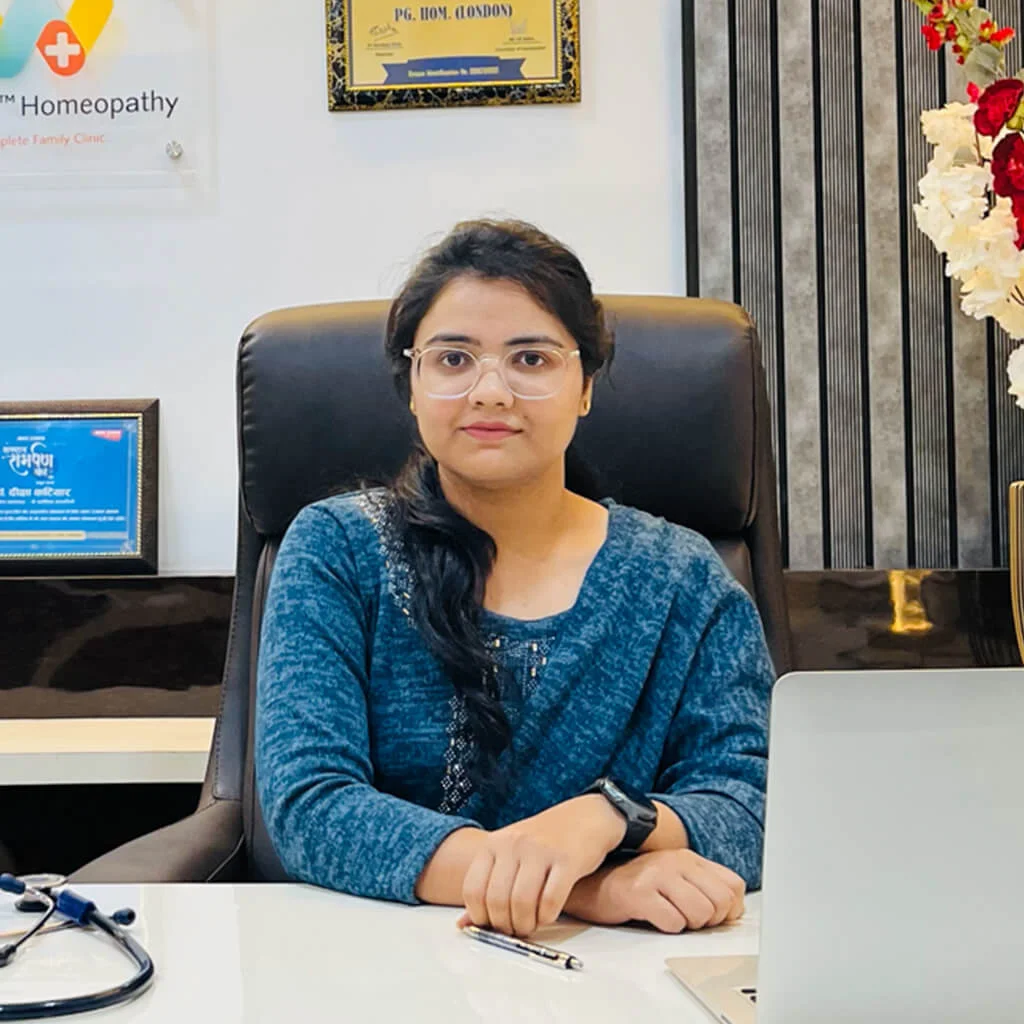
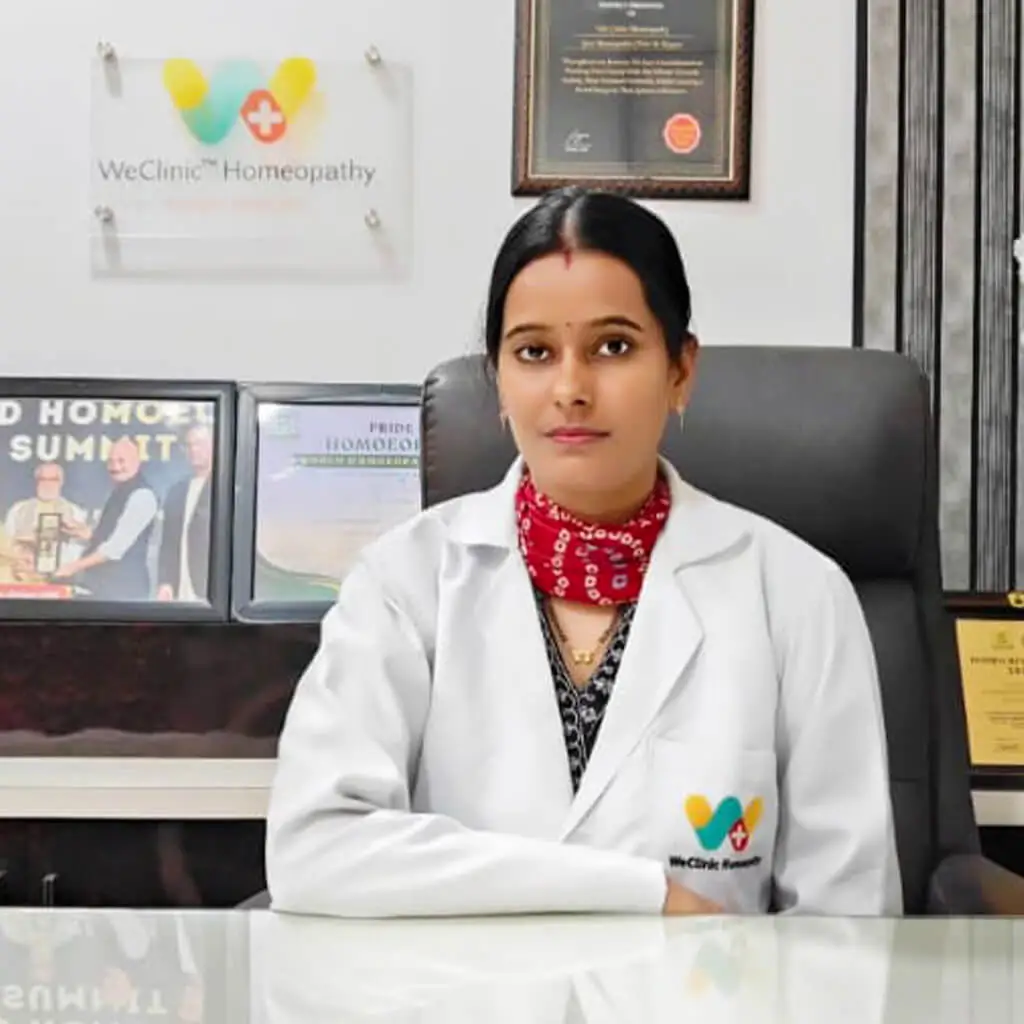
Homeopathy approaches low libido by treating the woman's overall hormonal, emotional and physical constitution rather than targeting a single symptom or pathway. Allopathy typically manages low libido with hormone therapy or specific prescription medicines that target a single pathway, which can help some women but do not address the wider hormonal, emotional and lifestyle picture. At WeClinic™ Homeopathy in Kanpur, Dr. Laxmi and the team take an entirely different, constitutional approach - one that many women find more comfortable to discuss and pursue given the sensitive nature of the concern.
The Homeopathic Approach - Looking at the Whole Person, Not Just the Symptom
Homeopathy doesn't treat low libido as an isolated issue - it looks at your overall physical and emotional constitution. Our doctors at WeClinic™ take a detailed, confidential case history: when the change began, your hormonal life stage, your stress levels and emotional state, your relationship dynamics, and your general physical and mental makeup. Based on this complete picture, an individualised remedy and potency is prescribed for your specific case.
Commonly Referenced Homeopathic Remedies for Low Libido
Classical homeopathic literature references several remedies for low sexual desire, each suited to a different type of case, such as -
Often considered for women who feel emotionally distant, irritable or drained, with low desire linked to hormonal imbalance or fatigue.
Commonly referenced for cases involving vaginal dryness and a tendency to withdraw emotionally.
Considered for low desire accompanied by low confidence or anxiety around intimacy.
Referenced for cases where discomfort during intimacy contributes to reduced desire.
Associated with a near-absence of sexual desire, often alongside low mood or emotional exhaustion.
Commonly referenced where suppressed emotions, past emotional hurt or unexpressed resentment appear to affect comfort with intimacy.
Often considered where low desire follows grief, prolonged emotional exhaustion or a draining life event.
Important: This information is for educational purposes only. Please do not self-medicate. WeClinic™ doctors prescribe the right remedy and dosage only after a detailed, confidential case-history consultation, so book your free consultation before starting any treatment.
Benefits of Homeopathic Treatment for Low Libido
- Natural treatment with no side effects
- No risk of dependency - completely non-addictive
- Looks at hormonal, emotional & lifestyle factors together
- Confidential, judgment-free consultation
- Safe for long-term, gradual improvement
Homeopathy vs Allopathy for Low Libido
Both approaches aim to help restore sexual desire, but they work very differently -
Allopathy
- Often focuses on a single hormonal or chemical pathway
- May involve hormone therapy with monitoring requirements
- Results can vary and may involve side effects
- May not address emotional or relationship factors
Homeopathy
- Looks at hormonal, emotional & lifestyle factors together
- Aims for gradual, lasting improvement with a complete course
- Natural remedies, safe for long-term use
- Treats the patient's overall constitution, confidentially
Frequently Asked Questions About Low Libido Homeopathy
Can homeopathy help with low libido in women?
Yes. Homeopathy takes an individualised, constitutional approach to low sexual desire, looking at hormonal, emotional and lifestyle factors together rather than treating it as a single problem. Many women notice a gradual improvement in desire, energy and overall well-being when they follow a complete course prescribed after a detailed, confidential case-history consultation.
Is low sexual desire common after menopause?
Yes, a drop in sexual desire is one of the most commonly reported changes during perimenopause and menopause, largely linked to declining oestrogen and testosterone levels, vaginal dryness and disrupted sleep. It is a very common experience and not something to feel embarrassed about - our doctors regularly help women through this transition.
Can stress and anxiety really cause low libido?
Yes. Chronic stress, anxiety and low mood can significantly lower sexual desire by affecting hormone balance, energy levels and your ability to feel present and relaxed. Addressing the underlying stress or emotional strain is often an important part of restoring desire, alongside individualised homeopathic treatment.
Which homeopathic medicine is best for low libido in women?
There is no single best medicine - homeopathy is individualised, and remedies like Sepia, Natrum Muriaticum, Lycopodium, Platina and Agnus Castus are commonly referenced in classical literature for different presentations of low sexual desire. The right remedy and potency depend entirely on your specific case, so it should only be prescribed after a confidential consultation with a qualified homeopathic doctor.
Is low libido always caused by a hormonal problem?
Not always. While hormonal changes such as menopause, postpartum shifts or thyroid imbalance are common causes, low libido can also stem from stress, relationship factors, certain medications, chronic illness or psychological factors like low self-esteem. A proper case history helps identify what is contributing in your specific case.
How long does homeopathic treatment take to show results?
Many women begin noticing improvements in mood, energy and interest within 6-8 weeks of starting treatment, though this varies depending on the underlying cause and how long the concern has been present. For lasting results, doctors usually recommend completing the full course rather than stopping as soon as symptoms ease.
Is it normal for sexual desire to fluctuate over time?
Yes, it is completely normal for sexual desire to rise and fall with life stages, stress levels, relationship changes and health conditions. It becomes a concern worth addressing when the change persists for a while and causes you personal distress or affects your relationship - that is when a consultation can help.
Will my consultation and treatment be kept confidential?
Yes, completely. We understand that concerns around sexual desire are personal and sensitive, so every consultation, case history and medicine delivery at WeClinic™ is handled with strict confidentiality, including discreet, unmarked packaging for home-delivered medicines.
Does homeopathic treatment for low libido have any side effects?
No. Homeopathic remedies used at WeClinic™ are natural and prescribed in individualised, minimal doses, so they do not carry the side effects associated with hormonal therapies or certain prescription medications, such as mood changes, nausea or drug dependency.
Can antidepressants or birth control pills cause low libido?
Yes - certain antidepressants (especially SSRIs), hormonal birth control pills and some blood pressure medicines are well-documented causes of reduced sexual desire in women. If you suspect a medicine is affecting your libido, do not stop it on your own; discuss it with the prescribing doctor while our team looks at complementary, individualised support for the underlying picture.
Does breastfeeding or the postpartum period affect libido?
Yes - low libido after childbirth is extremely common, driven by a sharp drop in oestrogen during breastfeeding, sleep deprivation, physical recovery and the emotional adjustment to new motherhood. For most women desire gradually returns as hormones stabilise and sleep improves, and individualised homeopathic support can help with the fatigue and emotional strain alongside this natural recovery.
Is there a connection between thyroid problems and low libido?
Yes - an underactive thyroid (hypothyroidism) commonly causes fatigue, low mood and reduced sexual desire because thyroid hormone influences overall energy and hormonal balance. Our doctors ask about thyroid symptoms during your case history and may suggest a thyroid panel if it seems relevant to your case.
What is the difference between low sexual desire and sexual arousal disorder?
Low sexual desire (hypoactive sexual desire disorder) is a reduced interest in or thoughts about sex, while sexual arousal disorder is difficulty becoming physically or mentally aroused even when desire is present - such as inadequate lubrication or lack of the physical sensations of arousal. The two often overlap, and a detailed case history helps distinguish which pattern fits your experience.
Should I see a gynaecologist or is this primarily a psychological issue?
Low libido is usually a mix of physical and psychological factors, so it is rarely purely one or the other. See a gynaecologist promptly if you also have symptoms like pelvic pain, unusual bleeding, severe vaginal dryness or suspected hormonal disease; if the picture is mainly stress, mood or relationship-related, a homeopathic consultation focused on your overall constitution is a reasonable starting point, and referral is suggested whenever a physical cause needs direct medical evaluation.
Start Your Journey to Renewed Intimacy Today
Book a free, confidential consultation with WeClinic™'s experienced homeopathic doctors and get a treatment plan made for your specific case.
Call Now - Book Free Consultation Prefer to visit in person? Book a Clinic Appointment