

 Our specialists are online... Call now...




















Key Takeaways
- What it is: PCOS/PCOD is a hormonal and metabolic condition in which the ovaries release immature eggs and produce excess androgens, disrupting regular ovulation.
- Who it affects: It affects women and girls of reproductive age and commonly first appears in the teenage years, soon after periods begin.
- PCOS vs PCOD: PCOD is generally a milder, lifestyle-responsive presentation, while PCOS is a more complex syndrome diagnosed using the Rotterdam criteria.
- Main causes: Insulin resistance, raised androgen levels, genetics and excess weight are the leading contributors, though the exact cause varies by individual.
- Homeopathic approach: Individualised, constitutional homeopathic treatment aims to address the underlying hormonal imbalance rather than only regulating the cycle temporarily.
- Typical timeframe: Many patients notice improvement in cycle regularity and skin symptoms within 2-4 months, though a complete course is usually recommended for lasting results.
- Safety note: Untreated PCOS/PCOD carries long-term risks such as type 2 diabetes and cardiovascular disease, so ongoing medical follow-up alongside treatment is important.
What Is PCOS/PCOD?
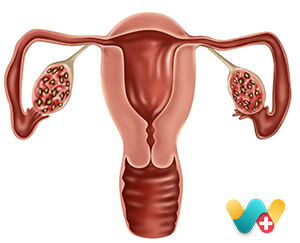
PCOS/PCOD is a common hormonal and metabolic condition in women of reproductive age in which the ovaries release immature or partially mature eggs, some of which develop into small cysts, alongside elevated levels of male hormones (androgens). Although the two terms - PCOS (Polycystic Ovary Syndrome) and PCOD (Polycystic Ovarian Disease) - are often used interchangeably in everyday conversation, there are subtle differences between them.
PCOD is generally considered a more common and manageable condition where the ovaries release immature eggs that turn into cysts, often improving with weight management and lifestyle changes. PCOS is a more complex endocrine and metabolic disorder, formally diagnosed when a woman meets at least two of the three Rotterdam criteria - irregular or absent ovulation, clinical or blood-test signs of excess androgens, and polycystic ovaries seen on ultrasound. PCOS tends to have a greater impact on fertility and long-term metabolic health if left unaddressed.
- PCOD - immature eggs form small ovarian cysts; usually milder and lifestyle-responsive.
- PCOS - a hormonal & metabolic syndrome diagnosed via the Rotterdam criteria.
- Common ground - both involve irregular ovulation and hormonal imbalance.
- Why it matters - the underlying cause guides the right individualised treatment.
| Also known as | Polycystic ovary syndrome (PCOS), polycystic ovarian disease (PCOD) |
|---|---|
| Commonly affects | Women and girls of reproductive age, often starting in the teenage years |
| Main symptoms | Irregular periods, weight gain, acne, excess facial/body hair, hair thinning, difficulty conceiving |
| Common causes | Insulin resistance, raised androgen levels, genetics/family history, excess weight, chronic inflammation |
| Diagnosis | Rotterdam criteria (2 of 3: irregular ovulation, excess androgens, polycystic ovaries on ultrasound), hormone & blood sugar tests |
| Homeopathic approach | Individualised, constitutional treatment aimed at the underlying hormonal imbalance, not just symptom relief |
| Typical treatment duration | Initial improvement often in 2-4 months; a longer complete course is generally recommended for lasting results |
| When to seek urgent care | Severe pelvic pain, very heavy bleeding, or signs of pregnancy complications warrant prompt medical evaluation |
Common PCOS/PCOD Symptoms We Treat
PCOS/PCOD can present differently from woman to woman. Our doctors regularly treat patients with the following symptoms -
- Irregular or missed periods - infrequent, delayed or unpredictable cycles.
- Weight gain - especially stubborn fat around the abdomen.
- Acne & oily skin - hormonal breakouts along the jawline & chin.
- Excess hair growth (hirsutism) - on the face, chest or back.
- Hair thinning - female-pattern hair loss from the scalp.
- Difficulty conceiving - due to irregular or absent ovulation.
- Heavy or prolonged bleeding - when periods do occur.
- Skin darkening - patches on the neck, groin or under the breasts.
What Causes PCOS/PCOD?
The exact cause of PCOS/PCOD isn't fully understood, but it is believed to develop from a combination of the following factors -
- Hormonal imbalance - raised androgen (male hormone) levels.
- Insulin resistance affecting ovulation.
- Genetics & family history of PCOS or diabetes.
- Excess body weight worsening hormonal imbalance.
- Chronic, low-grade inflammation.
- Sedentary lifestyle & poor dietary habits.
- High stress levels affecting hormone regulation.
- Early onset around the first menstrual period.
Who Is Most at Risk?
While PCOS/PCOD can affect any woman of reproductive age, certain factors make some women more susceptible -
- Family history: having a mother or sister with PCOS/PCOD increases your risk.
- Weight: being overweight or obese is strongly linked with insulin resistance and PCOS.
- Age: symptoms often first appear during the teenage years, soon after periods begin.
- Lifestyle: a sedentary routine and a diet high in refined sugar can worsen hormonal imbalance.
Common Diagnostic Tests for PCOS/PCOD
To confirm PCOS/PCOD and rule out other conditions, doctors typically recommend -
- Pelvic ultrasound - to check the ovaries for multiple small follicles/cysts.
- Hormone panel (LH, FSH, testosterone, prolactin, TSH) - to assess hormonal imbalance.
- Fasting insulin & blood sugar tests - to check for insulin resistance.
- Lipid profile - to assess cholesterol levels, which can be affected by PCOS.
Note: Diagnosis is usually based on the Rotterdam criteria - meeting at least two of three signs (irregular ovulation, excess androgens, polycystic ovaries on ultrasound) - and not every test is required for every patient.
Possible Complications of Untreated PCOS/PCOD
Untreated PCOS/PCOD raises the long-term risk of type 2 diabetes, high blood pressure, cardiovascular disease and, due to prolonged irregular or absent periods, thickening of the uterine lining that carries a higher risk of endometrial cancer over time. These risks are linked to the ongoing insulin resistance and hormonal imbalance behind the condition, not to any single missed period.
- Metabolic risk: insulin resistance can progress to type 2 diabetes and high cholesterol if unmanaged.
- Cardiovascular risk: higher long-term likelihood of high blood pressure and heart disease.
- Endometrial risk: infrequent periods over years can thicken the uterine lining, raising endometrial cancer risk.
- Mental health: higher rates of anxiety, low mood and body-image concerns linked to hormonal imbalance and visible symptoms.
- Sleep & breathing: increased likelihood of sleep apnoea, especially with associated weight gain.
- Pregnancy complications: higher chance of gestational diabetes, preeclampsia and preterm delivery if PCOS is unmanaged going into pregnancy.
Important: severe pelvic pain, very heavy or prolonged bleeding, or any signs of pregnancy complications need prompt medical evaluation - these are not situations to manage with home remedies alone.
PCOS/PCOD in Teenagers
PCOS/PCOD symptoms most often first appear in the teenage years, typically within a few years of a girl's first period, showing up as irregular cycles, acne, or early weight gain. Because some cycle irregularity is normal in the first couple of years after menarche, doctors are usually cautious about a formal PCOS diagnosis in very young teenagers and instead monitor the pattern over time alongside symptoms like excess hair growth or persistent acne.
Early, gentle correction of the underlying hormonal imbalance in adolescence - through individualised homeopathic treatment alongside diet and activity changes - is commonly recommended, since it may help prevent symptoms from becoming more pronounced later in life.
PCOS/PCOD Diet: What to Eat and Avoid
A PCOS/PCOD-friendly diet centres on low-glycaemic, whole foods that help stabilise blood sugar and reduce insulin resistance, since insulin resistance is a central driver of the hormonal imbalance in most cases.
Foods to Include
- Whole grains such as oats, millets and brown rice
- Lean protein - dals, eggs, fish, paneer, chicken
- Non-starchy vegetables and fibre-rich fruit
- Healthy fats - nuts, seeds, olive oil
- Adequate water intake through the day
Foods to Limit
- Refined carbohydrates - maida, white bread, sugary cereals
- Sugary drinks, packaged juices and sweets
- Deep-fried and heavily processed snacks
- Excess caffeine and irregular meal timing
Lifestyle & Care Tips for PCOS/PCOD
- Maintain a healthy body weight through balanced eating.
- Exercise regularly to improve insulin sensitivity.
- Choose a low-glycaemic, fibre-rich diet.
- Manage stress through sleep, yoga or meditation.
- Track your menstrual cycle to spot irregularities early.
- Get periodic health check-ups instead of ignoring symptoms.
How Homeopathy Treats PCOS/PCOD
Allopathy typically manages PCOS/PCOD with hormonal birth control pills, anti-androgen medication or insulin-sensitising drugs that regulate symptoms while they are taken, but these often don't address the underlying hormonal imbalance - and long-term use can bring side effects such as nausea, mood changes or weight fluctuation. Homeopathy takes an entirely different, constitutional approach.
The Homeopathic Approach - Treating the Root Cause, Not Just the Cycle
Homeopathy doesn't treat PCOS/PCOD as an isolated "period problem" - it looks at your overall hormonal and emotional constitution. At WeClinic™ Homeopathy in Kanpur, Dr. Laxmi and our team take a detailed case history: your cycle pattern, weight trends, skin & hair symptoms, family history, and your general physical and emotional makeup. Based on this, an individualised remedy and potency is prescribed for your specific case.
Commonly Referenced Homeopathic Remedies for PCOS/PCOD
Classical homeopathic literature references several remedies for hormonal imbalance and menstrual irregularity, each suited to a different type of case, such as -
Often considered for late or suppressed periods, especially in women with mild, emotionally sensitive, weepy temperaments.
A frequently referenced remedy for hormonal imbalance with irregular cycles, fatigue, irritability and low mood.
Considered for irregular periods with hormonal water retention, sadness and a tendency to withdraw emotionally.
Commonly referenced for ovarian cysts, particularly on the left side, with pain around menses.
Often considered for PCOS in women prone to weight gain, fatigue and a chilly, sluggish constitution.
Associated with left-sided ovarian pain, bloating and symptoms that are worse just before the period begins.
Often referenced for scanty or delayed periods in women with weight gain, constipation and a chilly, sluggish constitution.
Considered for irregular, painful periods accompanied by mood swings, low back pain and nervous tension.
Sometimes referenced in chronic, long-standing PCOS cases with a strong family history and slow response to other remedies.
Important: This information is for educational purposes only. Please do not self-medicate. WeClinic™ doctors prescribe the right remedy and dosage only after a detailed personal case-history consultation, so book your free consultation before starting any treatment.
Benefits of Homeopathic PCOS/PCOD Treatment
- Natural treatment with no side effects
- No risk of dependency - completely non-addictive
- Treats the hormonal root cause, not just the cycle
- Safe for long-term, chronic use
- Suitable for teenagers, young women & those trying to conceive
Homeopathy vs Allopathy for PCOS/PCOD
Both approaches aim to manage PCOS/PCOD symptoms, but they work very differently -
Allopathy
- Focuses on regulating cycles with hormonal pills
- Symptoms often return once medicine is stopped
- Long-term use can cause side effects
- Treats the cycle in isolation
Homeopathy
- Focuses on the root cause of the hormonal imbalance
- Aims for lasting improvement with a complete course
- Natural remedies, safe for long-term use
- Treats the patient's overall constitution
Frequently Asked Questions About PCOS/PCOD Homeopathy
Can homeopathy cure PCOS/PCOD permanently?
Homeopathy treats PCOS/PCOD at a constitutional level, working on the underlying hormonal and metabolic imbalance rather than only regulating periods temporarily. Many patients see lasting improvement in cycle regularity, weight and skin symptoms when they follow the complete course prescribed by the doctor, though PCOS is a chronic condition and ongoing lifestyle management is usually needed alongside treatment.
What is the difference between PCOS and PCOD?
PCOD (polycystic ovarian disease) is a broader, more common condition where the ovaries release immature or partially mature eggs, which can develop into cysts, and is often manageable with lifestyle changes. PCOS (polycystic ovary syndrome) is a more complex hormonal and metabolic disorder diagnosed using the Rotterdam criteria - irregular ovulation, signs of excess androgens, and/or polycystic ovaries on ultrasound - and can have a bigger impact on fertility and long-term health if left unaddressed. In everyday use, the two terms are often used interchangeably.
Can homeopathy help me conceive if I have PCOS?
Homeopathy aims to help regulate ovulation and hormonal balance, which can improve the chances of natural conception for some women with PCOS-related infertility. Results depend on the individual case, the duration of PCOS, and other fertility factors, so it is important to have a detailed consultation with our doctors and, where needed, work alongside your gynaecologist for fertility monitoring.
Which homeopathic medicine is best for PCOS?
There is no single best medicine - homeopathy is individualised, and remedies like Pulsatilla, Sepia, Natrum Muriaticum, Thuja Occidentalis, Calcarea Carbonica and Lachesis are commonly referenced in classical literature for different PCOS/PCOD presentations. The right remedy and potency depend entirely on your specific symptoms, cycle pattern and constitution, so it should only be prescribed after a proper case-history consultation with a qualified homeopathic doctor.
Does PCOS always cause weight gain?
Not always, but weight gain - especially around the abdomen - is one of the most common symptoms of PCOS because insulin resistance makes it easier to gain weight and harder to lose it. Some women with PCOS maintain a normal weight, but they can still have irregular periods, acne or excess hair growth due to the underlying hormonal imbalance.
Is PCOS reversible?
PCOS cannot always be completely reversed since it involves an underlying hormonal tendency, but its symptoms can be significantly managed and controlled with the right treatment, weight management and lifestyle changes. Many women achieve regular cycles, clearer skin and improved fertility with sustained homeopathic treatment and disciplined diet and exercise.
How long does homeopathic treatment take to show results in PCOS/PCOD?
Most patients notice improvement in cycle regularity and skin symptoms within 2-4 months of starting treatment, though this varies with how long you have had PCOS and its severity. Since PCOS is a hormonal condition, doctors usually recommend a longer, complete course for lasting, root-cause results rather than stopping as soon as periods normalise.
Is homeopathic treatment for PCOS safe for teenagers?
Yes, homeopathic medicines are prepared from natural sources and, when taken in the doctor-prescribed dose, are considered gentle and safe for teenagers experiencing early PCOS/PCOD symptoms such as irregular periods or acne. Early attention to hormonal imbalance in adolescence can also help prevent complications later, so a proper consultation is recommended rather than waiting.
Does homeopathic PCOS/PCOD treatment have any side effects?
No. Homeopathic remedies used at WeClinic™ are natural and prescribed in individualised, minimal doses, so they do not carry the side effects commonly associated with long-term hormonal pills or steroid-based treatment, such as nausea, weight fluctuation or mood changes.
What causes PCOS/PCOD?
PCOS/PCOD is caused by a combination of factors including hormonal imbalance (raised androgen and insulin levels), insulin resistance, genetics and family history, excess weight, and chronic low-grade inflammation. The exact cause varies from woman to woman, which is why an individualised approach to treatment matters.
Can PCOS lead to other health problems if left untreated?
Yes, untreated PCOS over the long term is linked to a higher risk of type 2 diabetes, high blood pressure, heart disease and, due to prolonged irregular or absent periods, an increased risk of endometrial lining thickening. This is why timely diagnosis and consistent treatment - along with healthy lifestyle habits - are important even if symptoms feel manageable at first.
Can PCOD develop into PCOS?
PCOD does not turn into PCOS as a disease progression, since they are largely overlapping terms rather than two separate stages, but a milder PCOD-type presentation can look more like classic PCOS over time if weight gain, insulin resistance and hormonal imbalance are left unmanaged. This is one reason doctors recommend early lifestyle correction and, where needed, individualised treatment rather than waiting for symptoms to worsen.
Does PCOS affect mental health and mood?
Yes, PCOS is associated with a higher rate of anxiety, low mood and body-image concerns, partly due to the hormonal imbalance itself and partly due to visible symptoms like acne, weight gain and excess hair growth. Homeopathic case-taking looks at emotional symptoms alongside physical ones, and remedies are chosen to address both the hormonal picture and the associated stress or low mood as part of the same individualised case.
What foods should I avoid with PCOS/PCOD?
Women with PCOS/PCOD are generally advised to limit refined carbohydrates, sugary drinks, deep-fried food and processed snacks, since these spike blood sugar and worsen insulin resistance. A diet built around whole grains, lean protein, vegetables, fruit and healthy fats, along with regular meal timing, is commonly recommended alongside treatment to support hormonal balance.
Is a healthy pregnancy possible with PCOS?
Yes, many women with PCOS conceive and carry a healthy pregnancy, though PCOS is linked to a higher chance of complications such as gestational diabetes, high blood pressure (preeclampsia) and early delivery, so closer monitoring by a gynaecologist through pregnancy is usually recommended. Managing weight, blood sugar and hormonal balance before conception, including with individualised homeopathic support, can help support a smoother pregnancy.
Can PCOS/PCOD start in teenage girls?
Yes, PCOS/PCOD symptoms often first appear in the teenage years, soon after periods begin, showing up as irregular cycles, acne or early weight gain, though diagnosis in adolescents is approached carefully since irregular periods can also be a normal part of the first few years after menarche. Addressing hormonal imbalance early with a doctor's guidance can help prevent symptoms from becoming more pronounced in adulthood.
Start Your Journey to Hormonal Balance Today
Book a free consultation with WeClinic™'s experienced homeopathic doctors and get a treatment plan made for your specific case.
Call Now - Book Free Consultation Prefer to visit in person? Book a Clinic Appointment