


 Our specialists are online... Call now...

































Key Takeaways
- What it is: Hair fall is excessive shedding of scalp hair beyond the normal 50-100 strands lost each day, leading to visibly reduced density, a widening parting or bald patches.
- Who it affects: Hair fall affects both men and women of all ages, with genetic (pattern) hair loss most common in men from their 20s-30s and diffuse thinning common in women during hormonal changes.
- Main causes: The most common causes of hair fall are genetics, hormonal changes (thyroid, PCOS, pregnancy), iron and protein deficiency, chronic stress and scalp conditions like dandruff.
- What homeopathy does: Homeopathy for hair fall is individualised and constitutional, aiming to address the underlying hormonal, nutritional or stress-related trigger rather than only treating the scalp surface.
- Treatment timeframe: Most patients notice reduced shedding within about 8-12 weeks, while visible improvement in hair density takes several months because the hair growth cycle is naturally slow.
- Safety: Sudden heavy shedding, distinct bald patches or hair fall with fatigue or scalp disease should be medically evaluated, as they may signal an autoimmune, thyroid or nutritional cause needing specific care.
- Where to get care: WeClinic™ Homeopathy, based in Kanpur, offers individualised hair fall treatment reviewed by Dr. Sonali Verma with free online and in-clinic consultation.
What Is Hair Fall?
Hair fall is a symptom in which hair sheds from the scalp faster than it is replaced, resulting in thinning beyond the normal daily loss of 50-100 strands and causing reduced hair density, a widening parting or bald patches over time. It isn't a single condition - it can result from genetics, hormones, nutrition, stress or scalp health, and the underlying cause determines both the pattern of hair loss and the right treatment approach.
Every hair on the scalp moves through a growth cycle: a long growing (anagen) phase, a short transitional (catagen) phase, and a resting and shedding (telogen) phase. At any time, most hairs are growing while a small proportion is shed - hair fall becomes visible when this balance is disturbed and too many hairs enter the shedding phase at once, or when regrowth slows. Understanding which type of hair fall you're dealing with is the first step towards effective, individualised homeopathic treatment. The most common presentations we see at WeClinic™ are:
- Androgenetic Alopecia - genetic, hormone-driven male or female pattern baldness.
- Telogen Effluvium - temporary, diffuse shedding triggered by stress, illness or shock to the body.
- Postpartum Hair Loss - hormonal shedding that follows childbirth.
- Traction Alopecia - hair loss from tight hairstyles or repeated pulling.
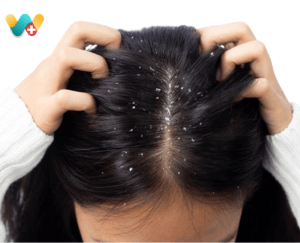
- Dandruff-Related Hair Fall - shedding linked to an itchy, flaky or infected scalp.
- Nutritional Deficiency Hair Fall - thinning linked to low iron, protein or vitamin levels.
| Also known as | Hair loss, hair shedding, thinning hair, baldness, alopecia |
|---|---|
| Commonly affects | Both men and women of all ages; pattern hair loss is common in men from their 20s-30s and in women around hormonal changes and menopause |
| Main symptoms | Excessive shedding, widening parting, receding hairline, thinning or bald patches, weak brittle hair, visible scalp |
| Common causes | Genetics, hormonal changes (thyroid, PCOS, pregnancy), iron and protein deficiency, chronic stress, dandruff and scalp infections |
| Diagnosis | Scalp and hair-pull examination, trichoscopy, blood tests (ferritin, thyroid, vitamin D, B12), pattern-baldness grading |
| Homeopathic approach | Individualised, constitutional treatment targeting the root hormonal, nutritional or stress-related cause rather than the scalp alone |
| Typical treatment duration | Reduced shedding often within 8-12 weeks; visible density improvement over several months, depending on the cause |
| When to seek urgent care | Sudden heavy shedding, distinct bald patches, or hair fall with scalp disease, fatigue or weight change needing medical evaluation |
Common Hair Fall Symptoms We Treat
Hair fall symptoms vary depending on the underlying cause. Our doctors regularly treat patients with the following presentations -
- Excessive shedding - noticeably more hair falling while combing, washing or on the pillow.
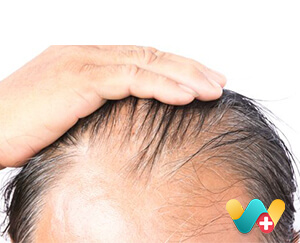
- Widening hair part - a broadening centre parting as density reduces.
- Receding hairline - hairline moving back at the temples or forehead.
- Bald or thinning patches - visible spots of reduced or absent hair growth.
- Weak, brittle hair - strands that break easily or feel thin and lifeless.
- Visible scalp - scalp showing through under bright light due to overall thinning.
What Causes Hair Fall?
Hair fall is most commonly caused by genetics and hormonal changes, followed by nutritional deficiencies, stress and scalp conditions. In practice it usually results from a combination of these factors rather than a single cause -
- Genetics & family history of baldness.
- Hormonal changes - pregnancy, thyroid disorders, PCOS or menopause.
- Chronic stress & anxiety.
- Nutritional deficiencies - iron, protein, vitamin D or B12.
- Dandruff & scalp infections.
- Harsh hair treatments, tight hairstyles & excessive heat styling.
- Certain medications & underlying illnesses.
- Natural ageing.
Who Is Most at Risk?
While hair fall can affect anyone, certain factors make some people more susceptible than others -
- Age: the risk of pattern hair loss increases with age, though telogen effluvium and stress-related shedding can occur much earlier.
- Gender: androgenetic alopecia is common in men from their 20s-30s onward, while female pattern hair loss often becomes noticeable around or after menopause.
- Family history: a family history of baldness significantly increases the likelihood of pattern hair loss.
- Life stage: pregnancy, postpartum recovery, major illness or surgery can all trigger temporary but significant shedding.
Common Diagnostic Tests for Hair Fall
To confirm the type and severity of hair fall, doctors typically recommend -
- Scalp & hair-pull examination - a physical check of hair density, scalp condition and shedding pattern.
- Trichoscopy (dermoscopy) - a magnified view of the hair follicles and scalp to assess miniaturisation.
- Blood tests (thyroid profile, iron/ferritin, vitamin D, B12) - to rule out deficiency or hormonal causes.
- Pattern-baldness grading - severity scales used to classify the stage of male or female pattern hair loss.
Note: These tests are usually recommended in more advanced or unclear cases and are not required for every patient.
Hair Fall Prevention & Care Tips
- Eat a protein and iron-rich, balanced diet.
- Manage stress through exercise, sleep & relaxation.
- Avoid tight hairstyles & excessive heat or chemical treatments.
- Treat dandruff and scalp infections early.
- Get regular checkups for thyroid & nutritional deficiencies.
- Be gentle while combing and drying wet hair.
Hair Fall Diet: What to Eat and Avoid
The best diet for hair fall is protein-rich and iron-rich, because hair is made largely of a protein called keratin and low iron is one of the most common reversible causes of shedding. Alongside individualised treatment, our doctors at WeClinic™ guide patients on simple dietary changes that support healthier hair.
Foods That Support Hair Growth
- Protein sources - eggs, paneer, dairy, lentils, beans and lean meat.
- Iron-rich foods - spinach, other green leafy vegetables, dates and jaggery.
- Vitamin D and omega-3 - sunlight exposure, fortified milk, fish and flaxseed.
- Vitamin C - citrus fruits and amla, which help the body absorb iron.
- Zinc and biotin - nuts, seeds, whole grains and legumes.
What to Limit or Avoid
- Crash diets and skipping meals, which starve hair of nutrients.
- Excess sugar and heavily processed or junk food.
- Very high-dose supplements taken without a confirmed deficiency.
- Excess caffeine, smoking and alcohol.
Note: Correcting a genuine iron, protein or vitamin deficiency can meaningfully reduce hair fall, but supplements should be based on blood tests and medical advice rather than self-prescribed.
When to See a Doctor for Hair Fall
You should see a doctor for hair fall when the shedding is sudden or heavy, when bald patches or a rapidly widening parting appear, or when hair fall comes with scalp or general health symptoms - because these can point to a treatable underlying cause. Seek timely evaluation if you notice any of the following -
- Sudden or patchy loss: distinct round bald patches, which may indicate alopecia areata, a distinct autoimmune condition evaluated separately from general hair fall.
- Heavy diffuse shedding: handfuls of hair coming out over weeks, especially after illness, childbirth or a crash diet.
- Scalp disease: persistent itching, redness, flaking, pain or pus, suggesting an infection or inflammatory scalp condition.
- Warning signs of illness: hair fall alongside unexplained fatigue, weight change, irregular periods or cold intolerance, which may signal a thyroid or nutritional disorder.
How Homeopathy Treats Hair Fall
Allopathy typically manages hair fall with topical solutions, oral medication or procedures like hair transplants that can slow shedding or add density but don't always address the underlying trigger - and results often reverse once treatment is stopped. Homeopathy takes an entirely different, constitutional approach.
The Homeopathic Approach - Treating the Root Cause, Not Just the Scalp
Homeopathy doesn't treat hair fall as an isolated "scalp problem" - it looks at your overall constitution. At WeClinic™ Homeopathy in Kanpur, our doctors - including Dr. Sonali Verma, who reviews this page - take a detailed case history: the pattern and duration of hair fall, associated hormonal or health factors, stress levels, diet, scalp condition, and your general physical and mental makeup. Based on this, an individualised remedy and potency is prescribed for your specific case.
Commonly Referenced Homeopathic Remedies for Hair Fall
Classical homeopathic literature references several homeopathic medicines for hair fall, each suited to a different presentation, such as -
For sudden or patchy hair fall with an itchy, sensitive scalp, often after illness or emotional shock.
For thinning that starts from the crown or temples, along with stress-related fall and premature greying.
Considered for weak, brittle hair roots linked with general debility or nutritional weakness.
Commonly referenced for hair fall following grief, prolonged stress or emotional disturbance.
Associated with an oily, dandruff-prone scalp with weak roots and hair breakage.
Often considered for postpartum or hormonal hair fall in women, with a dry scalp and tender roots.
Commonly referenced for rapid, diffuse hair fall following a severe illness, high fever or major physical stress.
Considered where hair fall is linked to a flaky, dandruff-prone scalp with yellowish scaling.
Often referenced for premature hair thinning and pattern baldness starting early in life, especially at the crown.
Commonly considered where hair fall follows grief, exhaustion or debility, with thin, lustreless hair.
Important: This information is for educational purposes only. Please do not self-medicate. WeClinic™ doctors prescribe the right remedy and dosage only after a detailed personal case-history consultation, so book your free consultation before starting any treatment.
Benefits of Homeopathic Hair Fall Treatment
- Natural treatment with no side effects
- No risk of dependency - completely non-addictive
- Treats the root cause, not just the symptoms
- Safe for long-term, chronic use
- Suitable for all age groups
Homeopathy vs Allopathy for Hair Fall
Both approaches aim to reduce hair fall and support regrowth, but they work very differently -
Allopathy
- Focuses on topical or oral drugs, or hair transplant procedures
- Results often reverse once treatment is stopped
- Can cause side effects like scalp irritation or hormonal effects
- Treats hair fall in isolation
Homeopathy
- Focuses on the root cause - hormonal, nutritional or stress-related
- Aims for lasting improvement with a complete course
- Natural remedies, safe for long-term use
- Treats the patient's overall constitution
Frequently Asked Questions About Hair Fall Homeopathy
Can homeopathy help regrow hair naturally?
Homeopathy works at a constitutional level, addressing the underlying hormonal, nutritional or stress-related triggers behind hair fall rather than only treating the scalp. Many patients experience reduced shedding and gradual improvement in hair density and texture when they follow the complete, individualised course prescribed by the doctor, though results and the extent of regrowth vary from person to person.
How long does homeopathic treatment take to show results in hair fall?
Most patients notice reduced hair shedding within 8-12 weeks of starting treatment, with visible improvement in hair thickness usually taking a few months longer since the hair growth cycle itself is slow. Consistency and completing the full course prescribed by the doctor are important for lasting results.
Is homeopathic hair fall treatment permanent?
Homeopathy aims to address the root cause of hair fall - whether hormonal, nutritional or stress-related - which can lead to long-lasting improvement. However, conditions like genetic pattern baldness are progressive by nature, so ongoing care and periodic follow-up are usually recommended to maintain results over time.
What is the difference between hair fall and alopecia areata?
General hair fall (or hair thinning) usually refers to gradual, diffuse shedding across the scalp caused by factors like genetics, stress, hormones or nutrition. Alopecia areata, on the other hand, is a distinct autoimmune condition where the immune system attacks hair follicles, causing sudden, well-defined round bald patches. It is evaluated and treated somewhat differently from general hair fall.
Which is the best homeopathic medicine for hair fall?
There is no single best medicine - homeopathy is individualised, and remedies like Phosphorus, Lycopodium, Silicea, Natrum Muriaticum, Fluoric Acid and Sepia are commonly referenced in classical literature for different hair fall presentations. The right remedy and potency depend entirely on your specific case, so it should only be prescribed after a proper case-history consultation with a qualified homeopathic doctor.
What causes hair fall in men and women?
In men, hair fall is most commonly due to androgenetic (male pattern) baldness linked to genetics and hormones. In women, causes include female pattern hair loss, hormonal changes from pregnancy, thyroid disorders or PCOS, iron and nutritional deficiencies, and chronic stress. Both men and women can also experience hair fall from dandruff, harsh hair treatments or underlying illness.
Is homeopathic treatment for hair fall safe?
Yes, homeopathic medicines are prepared from natural sources and, when taken in the doctor-prescribed dose, are safe for long-term use with no known dependency or major side effects. This makes homeopathy a suitable option for chronic, ongoing hair fall that often requires sustained treatment.
Can homeopathy help with dandruff-related hair fall?
Yes, homeopathy is commonly used to manage dandruff and an itchy, flaky scalp that contributes to hair fall, by addressing the underlying scalp condition rather than just washing it away temporarily. Along with medicine, our doctors also guide patients on scalp hygiene and hair-care habits that help control dandruff over time.
Does homeopathy help with postpartum or stress-related hair fall?
Yes, postpartum and stress-induced hair fall (telogen effluvium) are commonly treated with homeopathy, using remedies selected according to the woman's overall hormonal and emotional state. Since this type of hair fall is often temporary, most patients see a gradual reduction in shedding as their body's hormonal balance recovers, supported by individualised treatment.
Does homeopathic hair fall treatment have any side effects?
No. Homeopathic remedies used at WeClinic™ are natural and prescribed in individualised, minimal doses, so they do not carry the side effects commonly associated with harsh topical chemicals or long-term hormone-altering medication, such as scalp irritation or dependency.
How much hair fall per day is normal?
Losing about 50 to 100 hairs a day is considered normal, since hair is constantly cycling between growth and shedding phases. Hair fall becomes a concern when you consistently shed noticeably more than this, when you can see clumps of hair while combing or washing, or when your scalp, parting or hairline starts to look visibly thinner over weeks and months.
Can nutritional deficiencies and diet cause hair fall?
Nutritional deficiencies are a common and often reversible cause of hair fall, particularly low iron (ferritin), protein, vitamin D, vitamin B12 and zinc, as these nutrients are essential for the hair growth cycle. Crash dieting, skipping meals and a protein-poor diet can push more hair into the shedding phase, so correcting the underlying deficiency alongside individualised treatment is important for recovery.
Why do I get more hair fall in certain seasons?
Seasonal hair shedding is a recognised pattern in which many people notice increased hair fall during certain months, often late monsoon and autumn, as a larger share of hairs enter the natural shedding (telogen) phase together. This kind of shedding is usually temporary and settles on its own, but persistent or heavy seasonal hair fall may point to an underlying deficiency or scalp issue worth evaluating.
When should I see a doctor for hair fall?
You should consult a doctor for hair fall if the shedding is sudden or heavy, if you notice distinct bald patches, a rapidly widening parting or a receding hairline, or if hair fall is accompanied by scalp itching, redness, pain or symptoms like fatigue and weight change that may signal a thyroid or nutritional problem. Early evaluation helps identify the cause and prevents avoidable, progressive hair loss.
Start Your Journey to Fuller, Healthier Hair Today
Book a free consultation with WeClinic™'s experienced homeopathic doctors and get a treatment plan made for your specific case.
Call Now - Book Free Consultation Prefer to visit in person? Book a Clinic Appointment